Finding Flemingstown Kilkenny

Project lead Dr David Stone of the Discovery Programme Centre in Ireland explains their plans for geophysical survey at Kilkenny.

Archaeologists from the Discovery Programme Centre for Archaeology and Innovation Ireland, Dr David Stone, Dr Susan Curran and Cian Hogan, together with Cóilín Ó Drisceoil of the National Monuments Service, are beginning a new project to explore the grounds of Kilkenny Castle in search of the lost Flemingstown. This is one of the most intriguing missing parts of the castle’s medieval history, a former settlement associated with the castle, documented in historical sources, but whose location has since been lost as no traces of it remain visible on the ground. With the generous support of the Castle Studies Trust, work will begin in the last week of March on a new survey of the parkland east of Kilkenny Castle known as the Dukesmeadow.

Subscribe to our quarterly newsletter
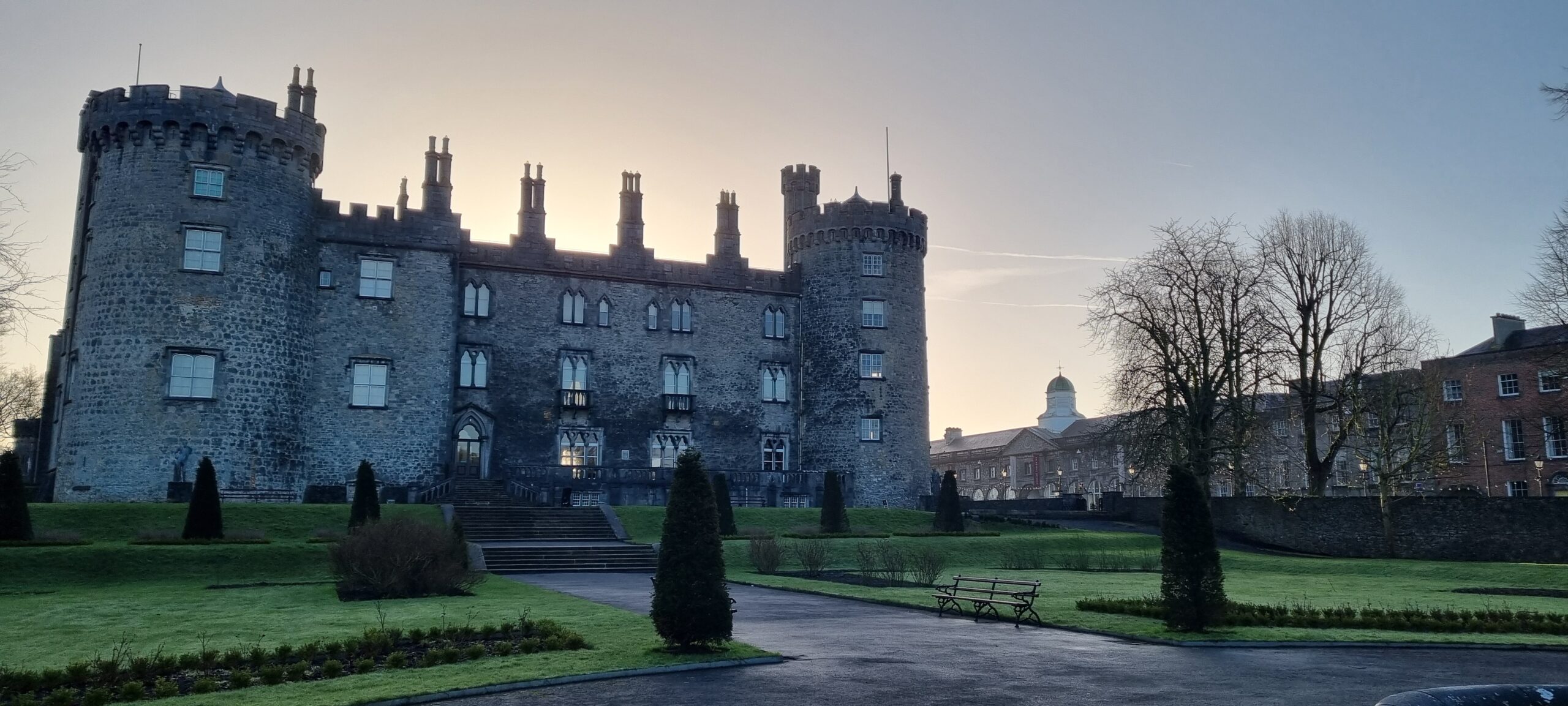
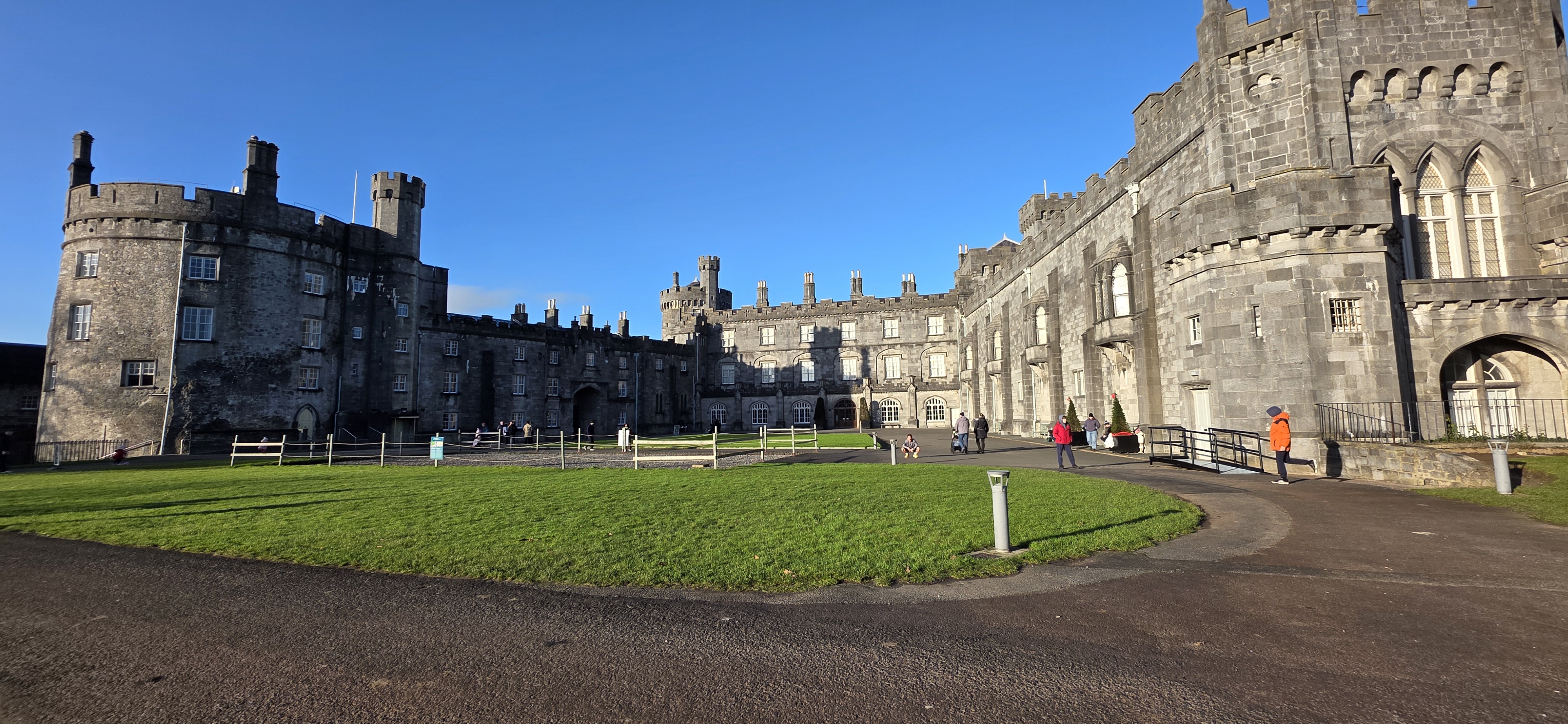
Kilkenny Castle, copyright The Discovery Programme Centre for Archaeology and Innovation Ireland

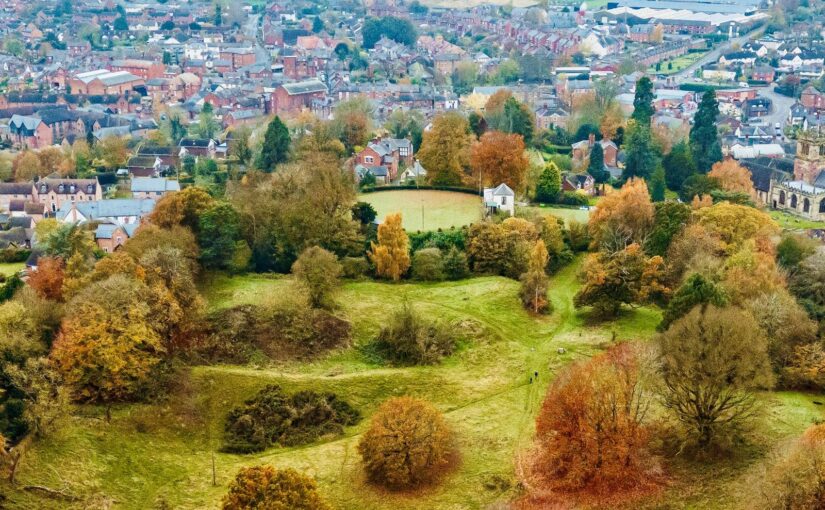
Kilkenny Castle (Figure 1) is one of the great fortresses of medieval Ireland. Built by William Marshal between approximately 1207 and 1213, it still dominates the modern city’s skyline and remains one of the county’s best known historic sites. The standing remains at Kilkenny Castle, however, tell only part of the story. Research over the last decade has shown that the medieval castle complex once extended far beyond the surviving Inner Ward into what is now open public parkland. A geophysical survey in 2010, followed by excavation in 2019, confirmed the position of the great gatehouse and revealed that the castle’s original layout was far more complex than had long been assumed. That earlier work also identified a dense area of subsurface archaeology, including defensive features, routeways and elements of a designed landscape in the outer park. The new project will target the one major area of the castle landscape that remains unexplored, the Dukesmeadow (Figure 2 & 3), which is also the most likely location of Flemingstown.
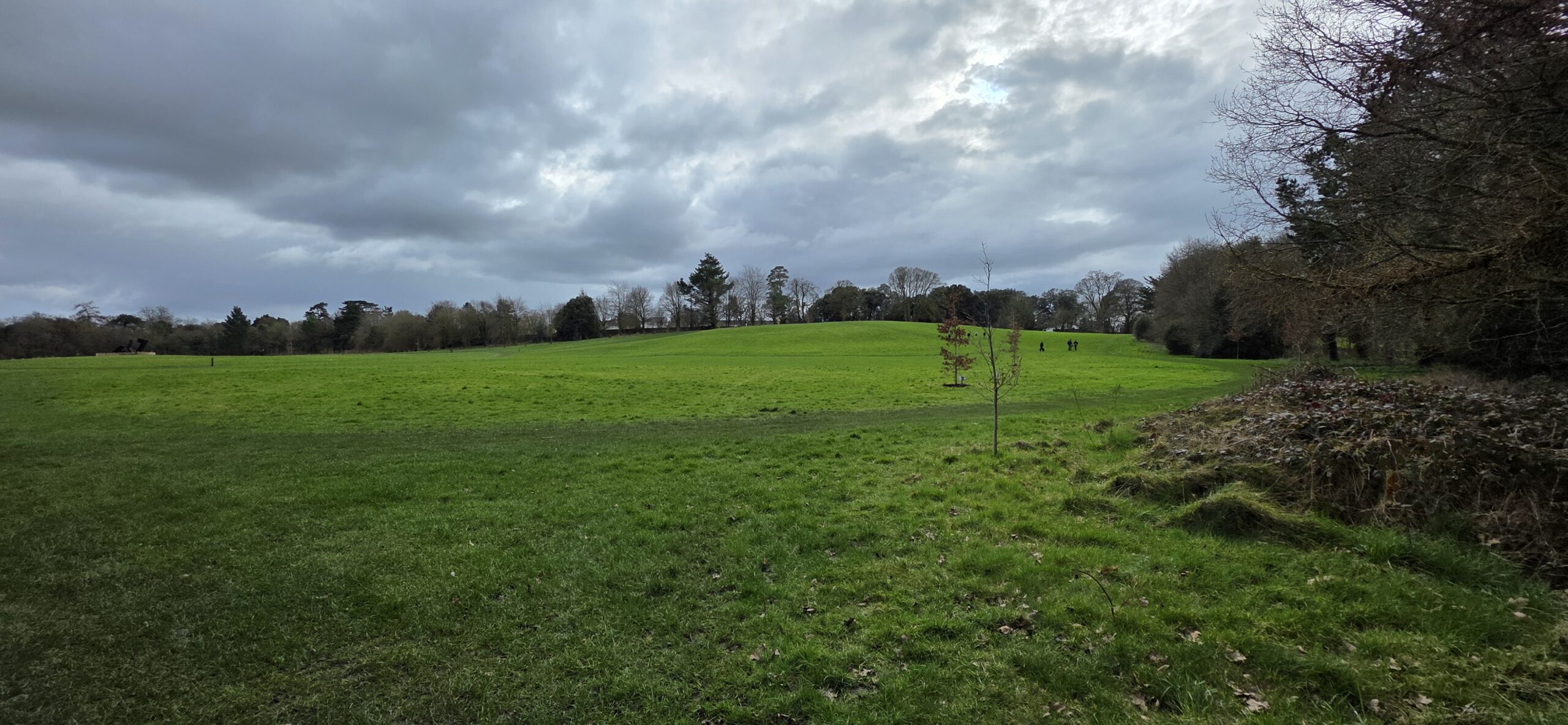
Figure 2: Dukesmeadow, Kilkenny, copyright The Discovery Programme Centre for Archaeology and Innovation Ireland

Flemingstown appears to have been a purpose-built settlement connected to the castle and associated with Flemish settlers. It was probably established in the early thirteenth century to house Flemish weavers, millers and other artisans, either drawn from Pembrokeshire or from Flanders itself. The settlement is first recorded in 1339 as Villa Flemang. By 1413 it seems to have been largely deserted after its inhabitants were moved to Danesfort by the earl of Ormond. Even so, later writers still described traces of an extensive former settlement surviving near the castle, including the mid seventeenth century Bishop of Ossory, David Rothe. LiDAR evidence also suggests that traces of this settlement may survive in the lower parkland in the form of earthworks, possible plot boundaries, enclosures and a hollow way.
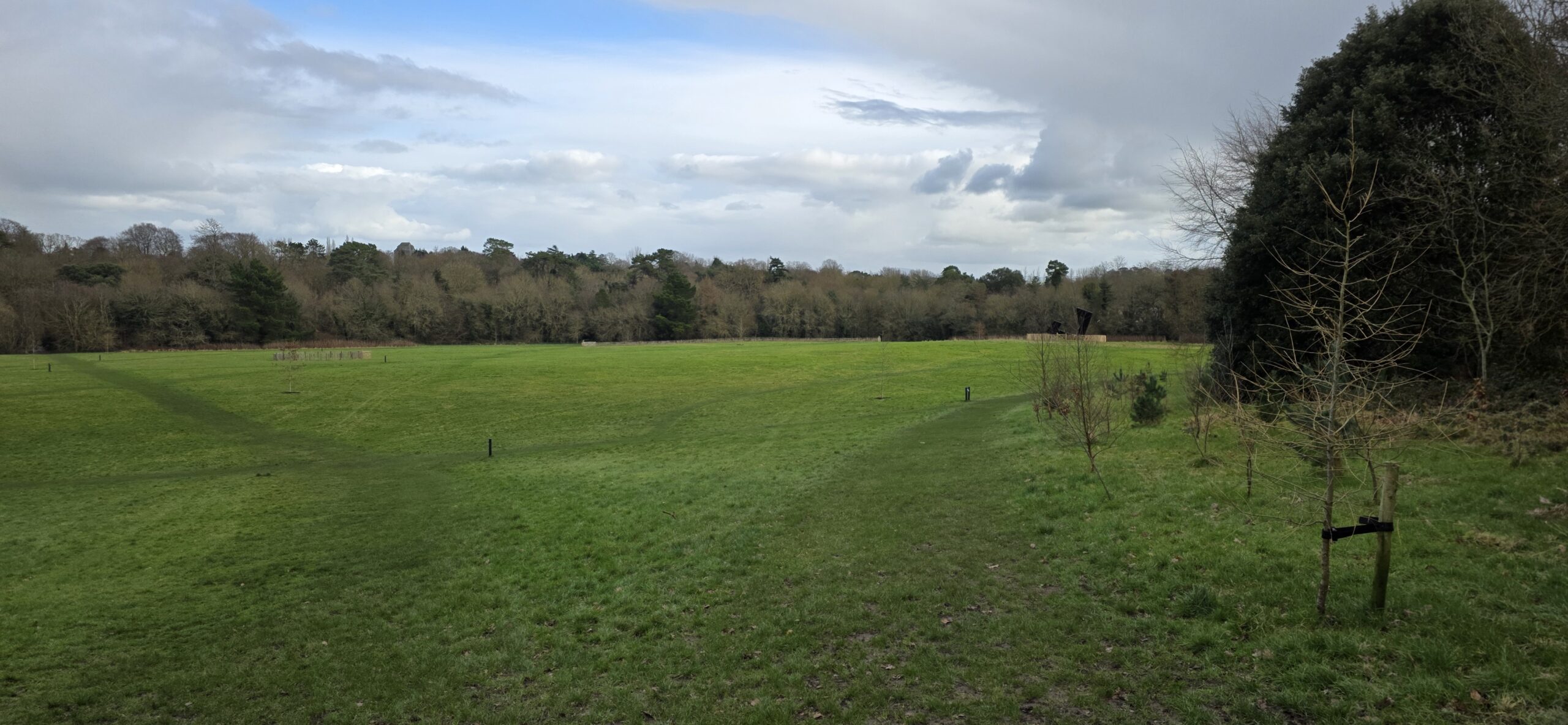
Figure 3: Dukesmeadow, Kilkenny, copyright The Discovery Programme Centre for Archaeology and Innovation Ireland

This makes the project significant not only for Kilkenny, but for castle studies more generally. Castles were not simply defensive structures or elite residences. They were also centres of economic activity, planning, movement and display. Flemingstown offers a chance to examine Kilkenny Castle as the centre of a broader lived-in landscape, and to investigate the role of an immigrant artisan community within that setting. It may be the only attested example in Ireland of a purpose-built colonial castle settlement established specifically for an immigrant artisan community. If that can be demonstrated more clearly on the ground, it will give the site importance well beyond Kilkenny itself.

Subscribe to our quarterly newsletter

The team will use magnetic gradiometry across the Dukesmeadow, supported by targeted earth resistance survey on selected features. The aim is to detect buried boundaries, routeways, possible plot divisions, structures, pits or industrial features, and perhaps elements of an enclosing circuit. In practical terms, success would mean producing the first clear interpretative map of Flemingstown’s extent and internal organisation, while also clarifying how it related to the Outer Ward, surrounding meadows and approach routes into the castle complex. Just as importantly, the survey should identify the best targets for future research.

This project is therefore about recovering a missing part of Kilkenny Castle’s story. By identifying what survives beneath the parkland, the survey will provide the foundation for future research. It will also help bring back into view a forgotten community that once stood at the edge of one of medieval Ireland’s most important centres of power. For visitors to Kilkenny Castle, that promises a richer and more complete picture of the monument, not just the great fortress that still stands, but the wider lived in landscape that made it work.

The project team would like to thank the donors and patrons of the Castle Studies Trust for their generous award, which has made this project possible. We would also like to thank The Discovery Programme’s CEO Dr John O’Keeffe, Projects Manager Clare Lancaster, the National Monuments Service, and the Office of Public Works, especially Albert Jordon and Colm Mangan, for their assistance with this project.

Go raibh míle maith agaibh go léir.
Subscribe to our quarterly newsletter

Ellesmere Castle – Revealing the Secrets of a Major Castle of the Welsh Marches

Ellesmere Castle in Shropshire is a substantial motte and bailey castle in the Welsh Marches that played an important role in the history of the area. However, very little is known about its form and structure with no standing remains above ground, or indeed when it was first constructed.

Starting on Monday 23 March, on behalf of the owners of the motte, Ellesmere Bowling Club, and with the support of owners of the rest of the castle Shropshire Council and funded by the Castle Studies Trust, archaeologists from the heritage organisation Heneb will be undertaking a programme of geophysical survey at the castle to assess the potential for surviving sub‑surface archaeological remains. The methods being used include magnetic gradiometry and electrical resistivity survey.

Subscribe to our quarterly newsletter

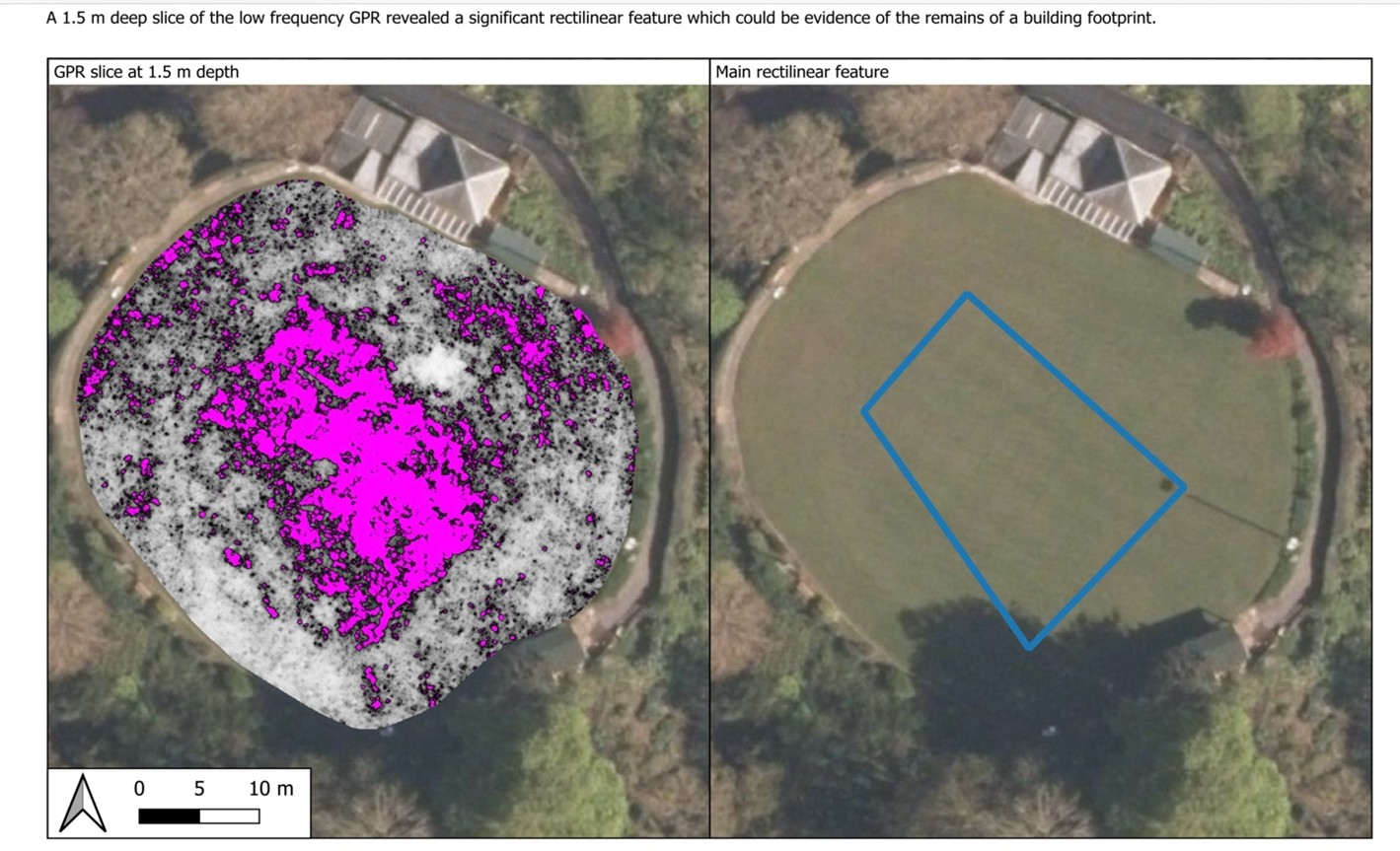
Ellesmere motte top, showing size as an shape of possible structure shown by GPR survey

The motte itself is substantial. It is approximately 80m in diameter at its base, 52m across the top and stands about 11m high. A steep-sided ditch, about 20m wide and 3m deep, separates the motte from the bailey to the south east. In 2024, a partial and informal Ground Penetrating Radar GPR survey was carried out, which suggested and indicated a substantial structure, probably indicating a stone structure with the dimensions of 23m x 14m.

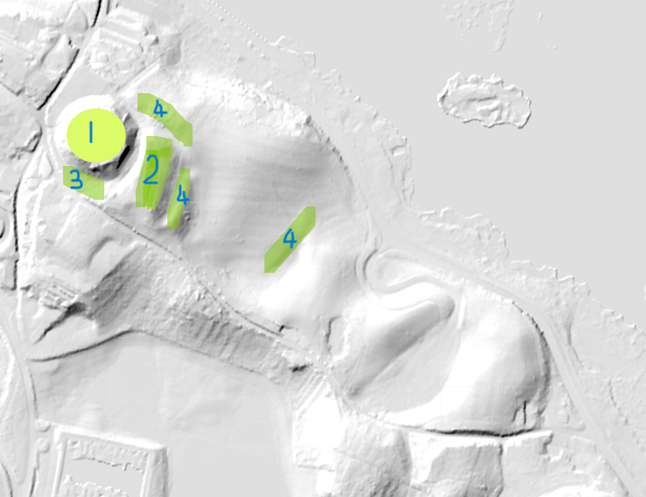
Lidar image of Ellesmere Castle including areas of geophysical survey

This current survey builds on the work carried out in 2024. It will be covering four areas of this very large castle site. The LiDAR image below shows the four targeted areas for geophysical survey:

  1. Motte: to pinpoint the position of the curtain wall along with any other buildings within.
  2. Bailey: to determine the location and size of the buildings.
  3. Area three, to establish where the outer defensive wall once stood that came down from the top of the motte, and to understand the width and depth of the defensive ditch, along with deciphering the extent of the bailey (No2), part of which had been quarried away sometime in the past.
  4. Earthworks which are believed to be the outer defensive walls, showing what appears to be an entrance in the north east section, and to investigate the furthest easterly earthworks to determine whether there was both an inner and outer bailey.

Subscribe to our quarterly newsletter

The date of construction is unknown: it could have been built as early as the late eleventh century, by marcher lord Roger de Montgomery. The lands were confiscated by the crown following his son Robert de Bellesme’s rebellion. The castle was certainly in existence by 1138. In 1174 Henry II confirmed the manor to Dafydd ab Owain, a north Welsh prince, when he married Henry’s sister Emma in 1174. During the early to middle part of the 13th century the manor of Ellesmere passed in and out of royal control and throughout much of that century there are numerous accounts of building or repair works especially during the reign of Henry III.

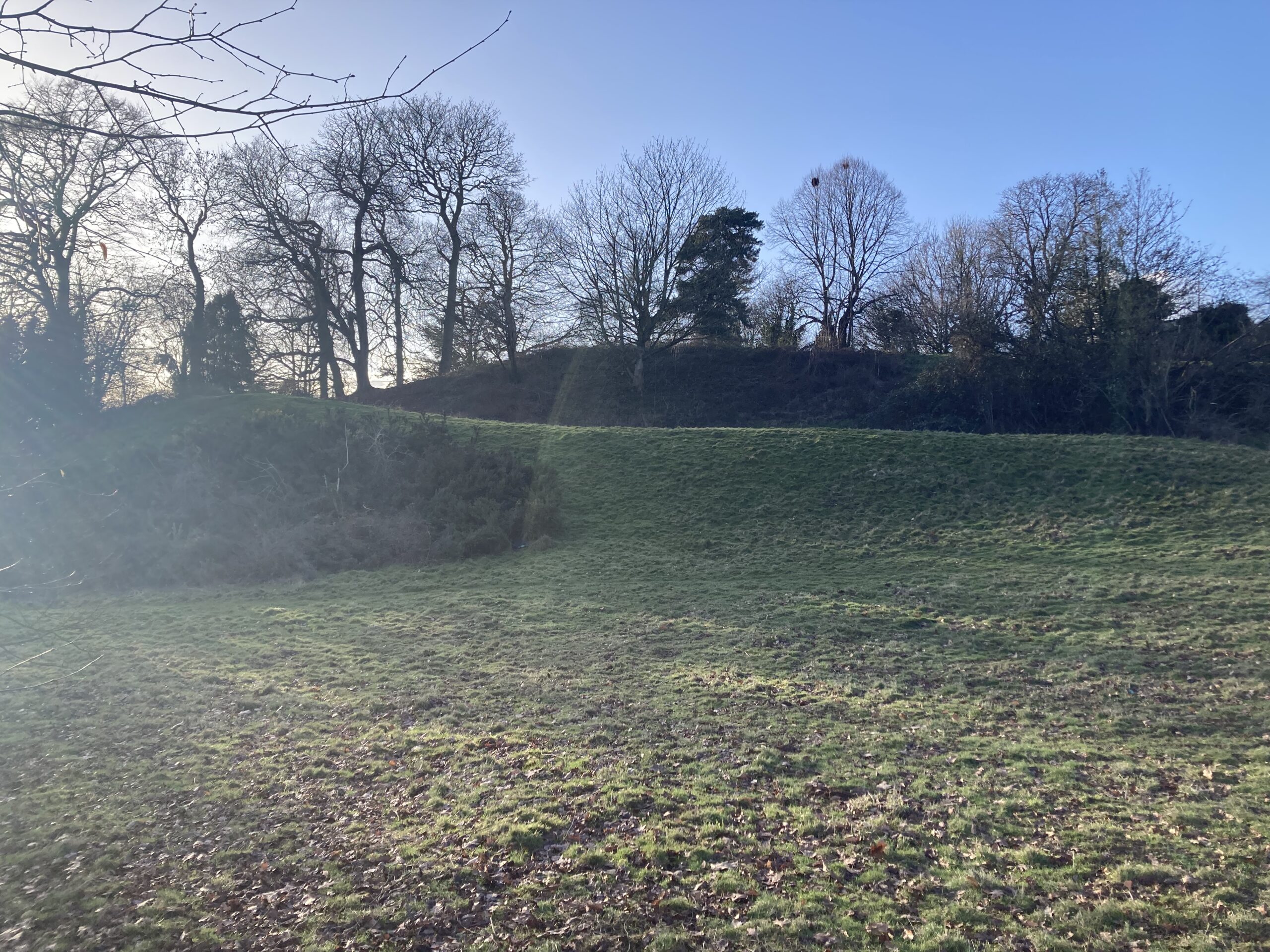
Ellesmere Castle bailey with motte in the background, copyright Gary Bick

In 1241 John le Strange was paid forty pounds to build a castle also in the same year twenty one pounds was spent on building two bretasches. In 1256, the King’s house within castle was repaired at a cost of five pounds ten shillings and nine with a further one hundred and sixteen pounds being spent on castle repairs further emphasising the castle’s significance.

In historical terms, perhaps its most well-known claim to fame is that Joan, daughter of King John and wife of Llywelyn ap Iorwerth, was confined to the castle for about a year following her infidelity.

While the survey will not answer questions on its history, it will hopefully supply more details on the castle’s form, and potential targets for future excavation so we can learn more about its history.

Subscribe to our quarterly newsletter

Cockermouth Castle: a major baronial fortress of which we know little

Tom Addyman of Addyman Archaeology looks ahead to the first modern detailed study of Cockermouth Castle, a major baronial castle near the Scottish border which is starting this week.

With the generous support awarded by the Castle Studies Trust new survey work is to commence this week at Cockermouth Castle.  Located in the extreme west of the historic county of Cumberland, Cockermouth is the caput of a major early landholding, the barony of Allerdale and Honour of Cockermouth.  The castle is an extensively surviving baronial fortress that occupies a strong defensive site, a high spur of land at the confluence of the Rivers Derwent to the north and Cocker to the south and overlooking the medieval town extending to the south-east. 

Subscribe to our quarterly newsletter

Outer Gatehouse of Cockermouth Castle looking North West, copyright Addyman Archaeology

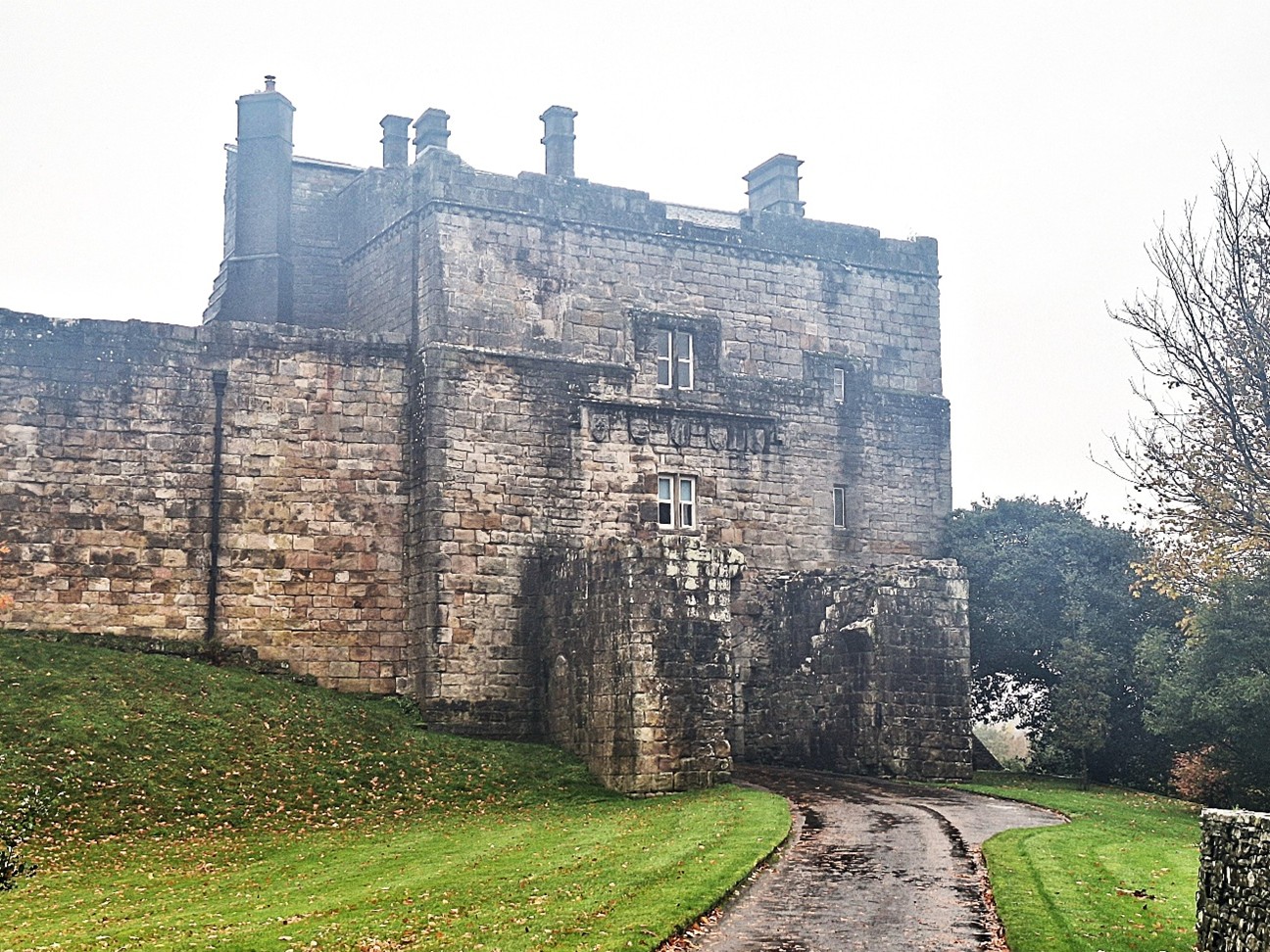
Roughly triangular in plan, the complex’s major walls and defensive towers essentially survive intact, comprising a small inner ward at the point of the promontory and a larger outer ward facing level ground to the east, defended by a ditch, now infilled.  The outer ward is accessed by a massively constructed gatehouse at the north angle of the east side.  The gatehouse and later ranges built against the north, east and south perimeter walls of the enclosure are still in occupation.  The now-ruinous inner ward, containing the principal domestic apartments, had been accessed by means of a second major gatehouse to the centre of its east side.

Cockermouth Castle gatehouse to the inner ward facing south west, copyright Addyman Archaeology

Subscribe to our quarterly newsletter

Following recent appraisal during the 2024 Chateau Gaillard conference there was considerable consensus as to both the importance of the site and its surviving architecture and in recognizing that its fabric has seen little study and was very notably lacking a reliable evidence-based analysis.  It seems the most up-to-date published plan of the site is that of 1910 by John Curwen who also provided an account of the castle’s evolution.  The only subsequent in-depth study that relates the detailed analysis of the physical development of the site to its ownership history is that of JB Bradbury (Bradbury’s History of Cockermouth, 1996); however this now requires comprehensive revision through scholarly review of the physical evidence.  Other accounts, by Lord Leconfield (1959) and Pevsner, as revised by Hyde (2010), are more summary in nature.  The understanding of the castle and its history has most recently been assessed by Dr Edward Impey in a draft paper (July 2024) that provides a firm basis upon which the more detailed assessment of the site will be built and its interpretation re-considered.

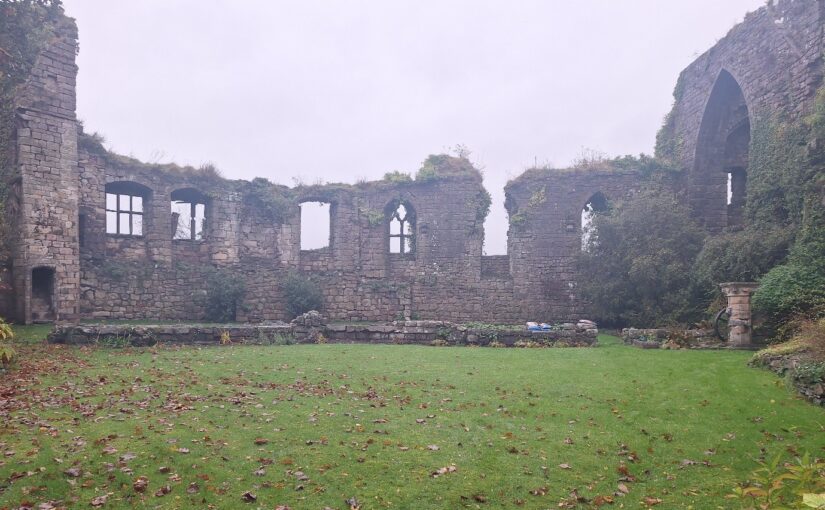
Cockermouth Castle inner ward with all and chamber block and the kitchen tower on the far left. copyright Addyman Archaeology

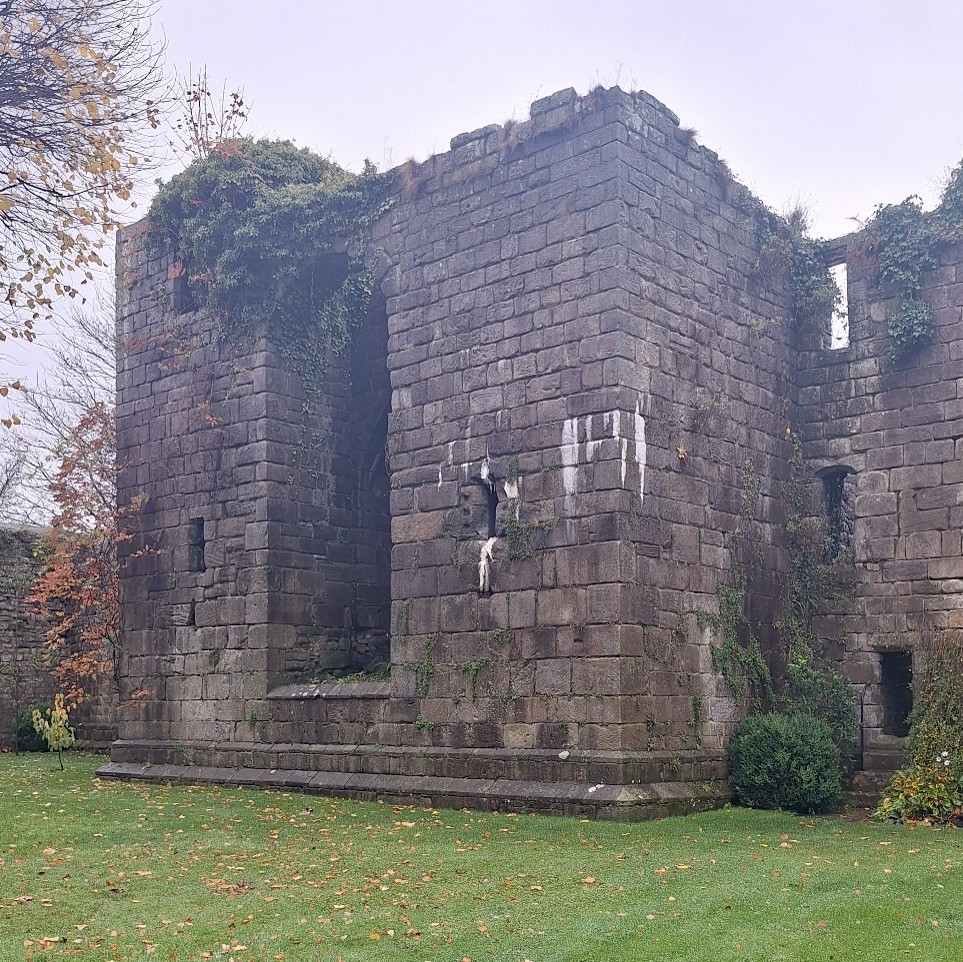
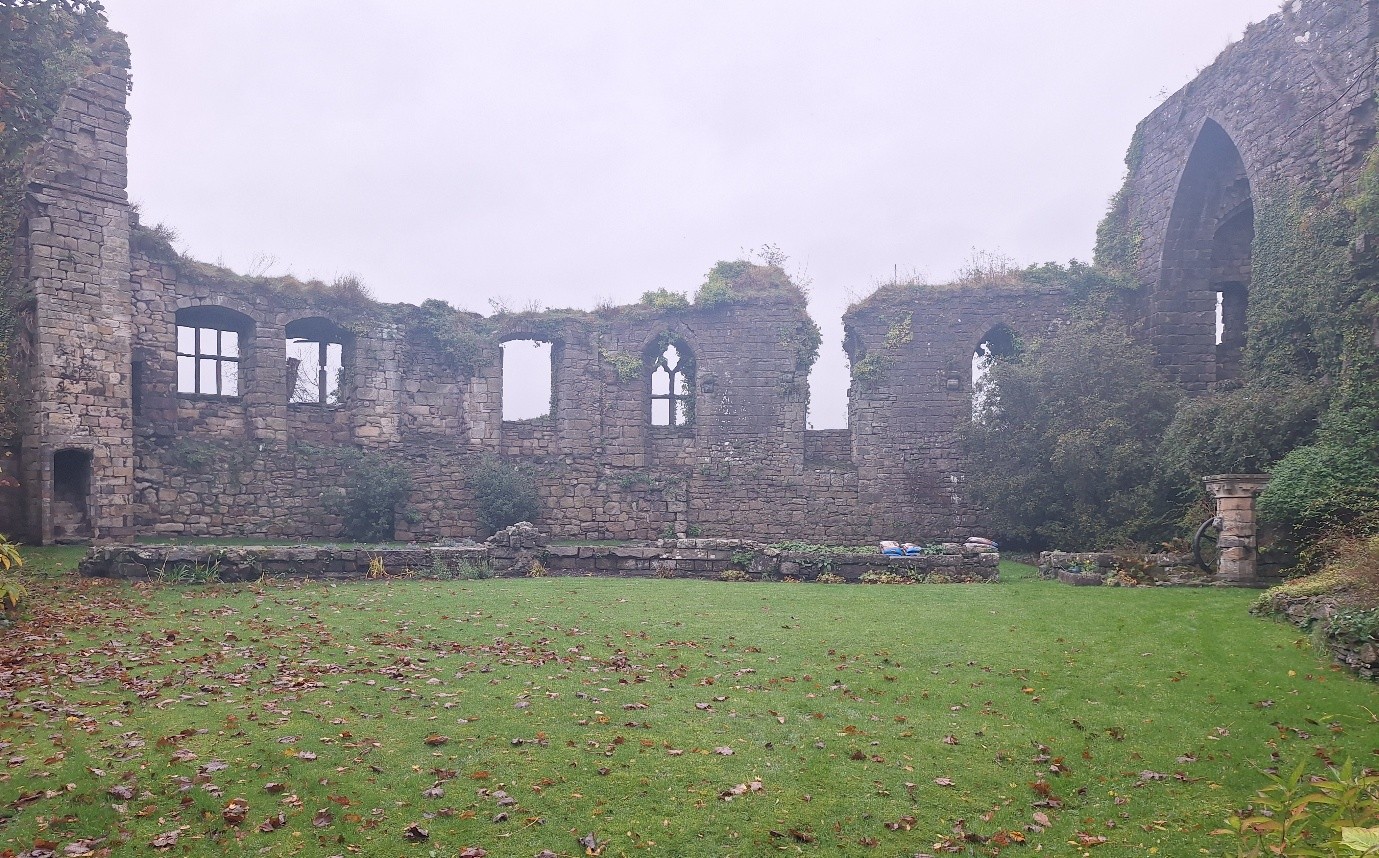
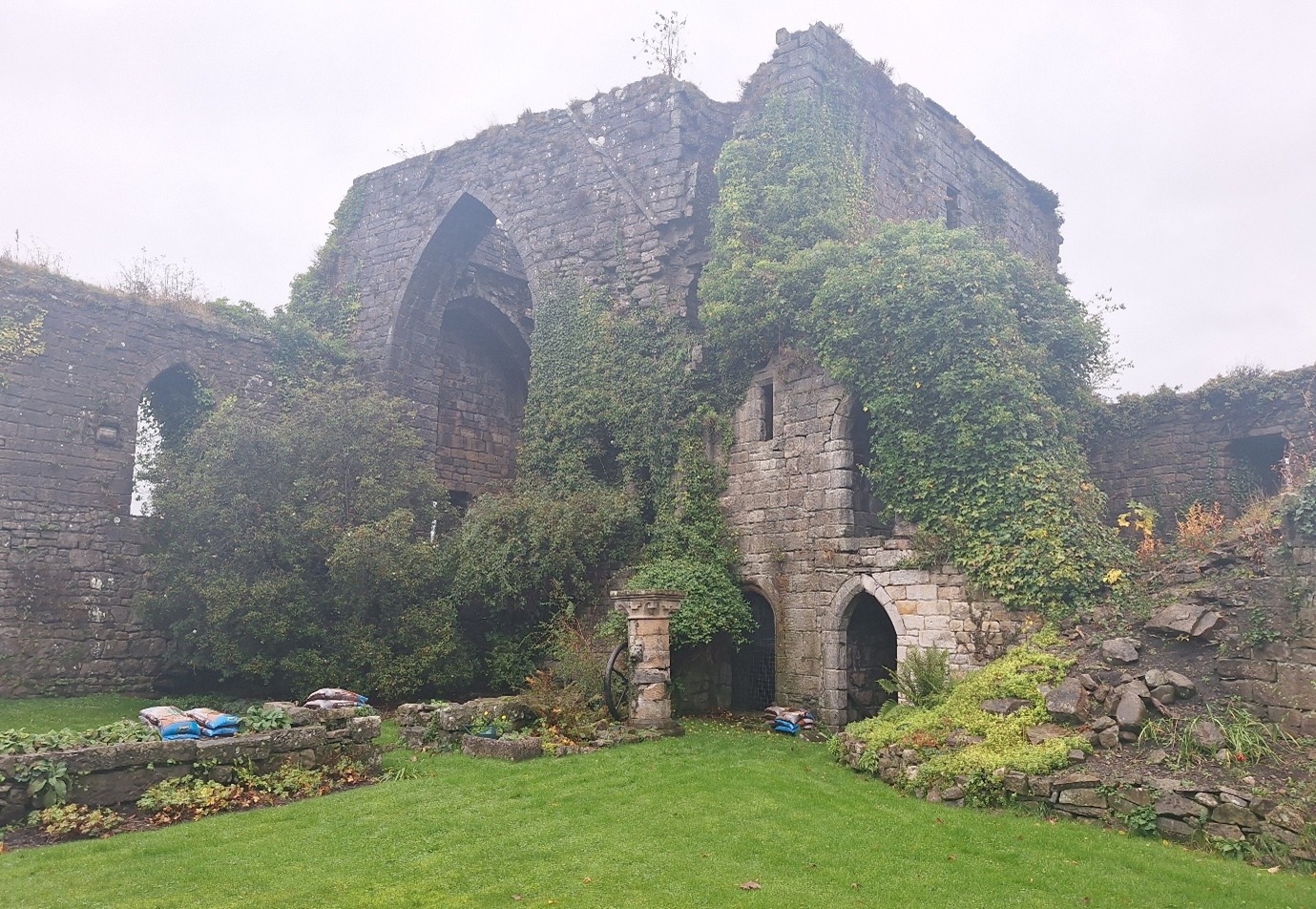
Led by a team from Addyman Archaeology, the project will focus upon developing a detailed understanding of the physical fabric of the structurally complex inner ward area.  The major building periods will be defined and related to the site’s known history and occupancy, to early illustrative material, and in terms of the broader evolution of castle architecture.  Particular focus will be the massive redevelopment of the site in the 14th century under the de Lucy and Percy families.  Incorporating parts of a pre-existing masonry curtain, these works included the creation of chamber, hall and service arrangements, the magnificent kitchen tower (reminiscent of the work of Master John Lewyn), and the inner ward’s idiosyncratic gatehouse, a structure of defensive appearance though of limited capability and without close parallel.  Together the gatehouse and the domestic ranges to either side occupy the site of an earlier defensive ditch; these structures present a specific interpretative challenge in that they incorporate the remains of vaulted cellarage of a predecessor range that may never have been completed.  

Cockermouth Castle Kitchen Tower looking North West, copyright Addyman Archaeology

The present project prioritises the establishment of new base-line survey information.  As far as existing vegetation and safe access permits the structures of the inner ward will be subject to a close and systematic visual assessment and non-invasive survey to be carried out primarily through photogrammetry.  The latter will lead to the development of a record drawing set that will be overlain with comprehensive analytical and phasing data.    The study will include a detailed component-by-component analysis and description, and a narrative account of the visible stratigraphic evidence.  Working with the estate archivist and a local historical group the project will also involve scoping of historical materials relevant to the understanding of the castle fabric.  The project will lead to the development of research questions and a possible scope of works for ongoing study of the site.

Subscribe to our quarterly newsletter