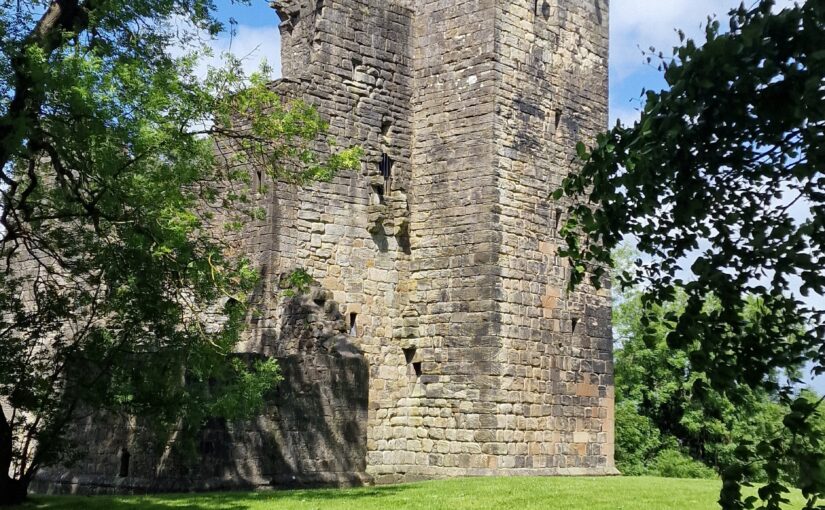
Unearthing Stories Beneath Crookston Castle: A Community Geophysics Project

Dr Nick Hannon of Historic Environment Scotland, project lead and Head of Geophysical Survey, takes a look at the community geophysical survey of Crookston Castle.

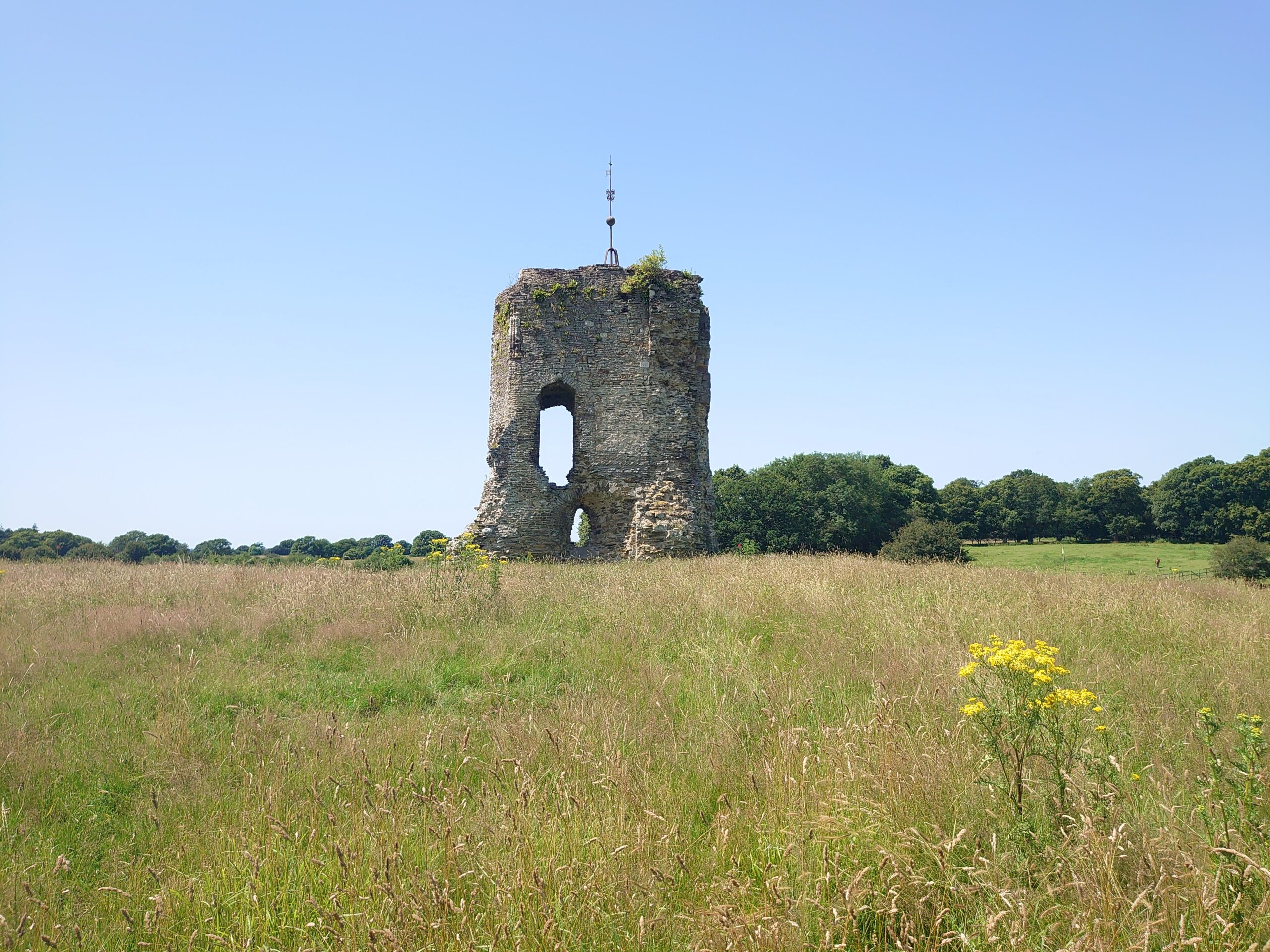
Nestled just 15 miles southwest of Glasgow, Crookston Castle stands as a beacon of Scotland’s layered past. But in August, this historic site became more than a monument—it transformed into a hub of community-led archaeological discovery. Thanks to a collaboration between heritage professionals, local volunteers, and schoolchildren, the Crookston Castle Community Geophysics Project brought the castle’s history to life.

Subscribe to our quarterly newsletter

A Castle, A Community, A Cause

The project was led by Historic Environment Scotland (HES) Archaeological Survey staff—Dr Nick Hannon, Dr Hazel Blake, and Paul Bethune—in partnership with “The Friends of Crookston Castle,” a passionate local group dedicated to preserving and celebrating their heritage. With full funding from the Castle Studies Trust, the initiative aimed to explore what lay beneath the castle’s grounds and surrounding area using non-invasive geophysical survey techniques.

But this wasn’t just a technical exercise. It was a community-driven effort that welcomed volunteers from all walks of life. Students from the University of Glasgow, pupils from five local primary and secondary schools, and residents from the surrounding area all joined forces to uncover the hidden stories buried beneath their feet.

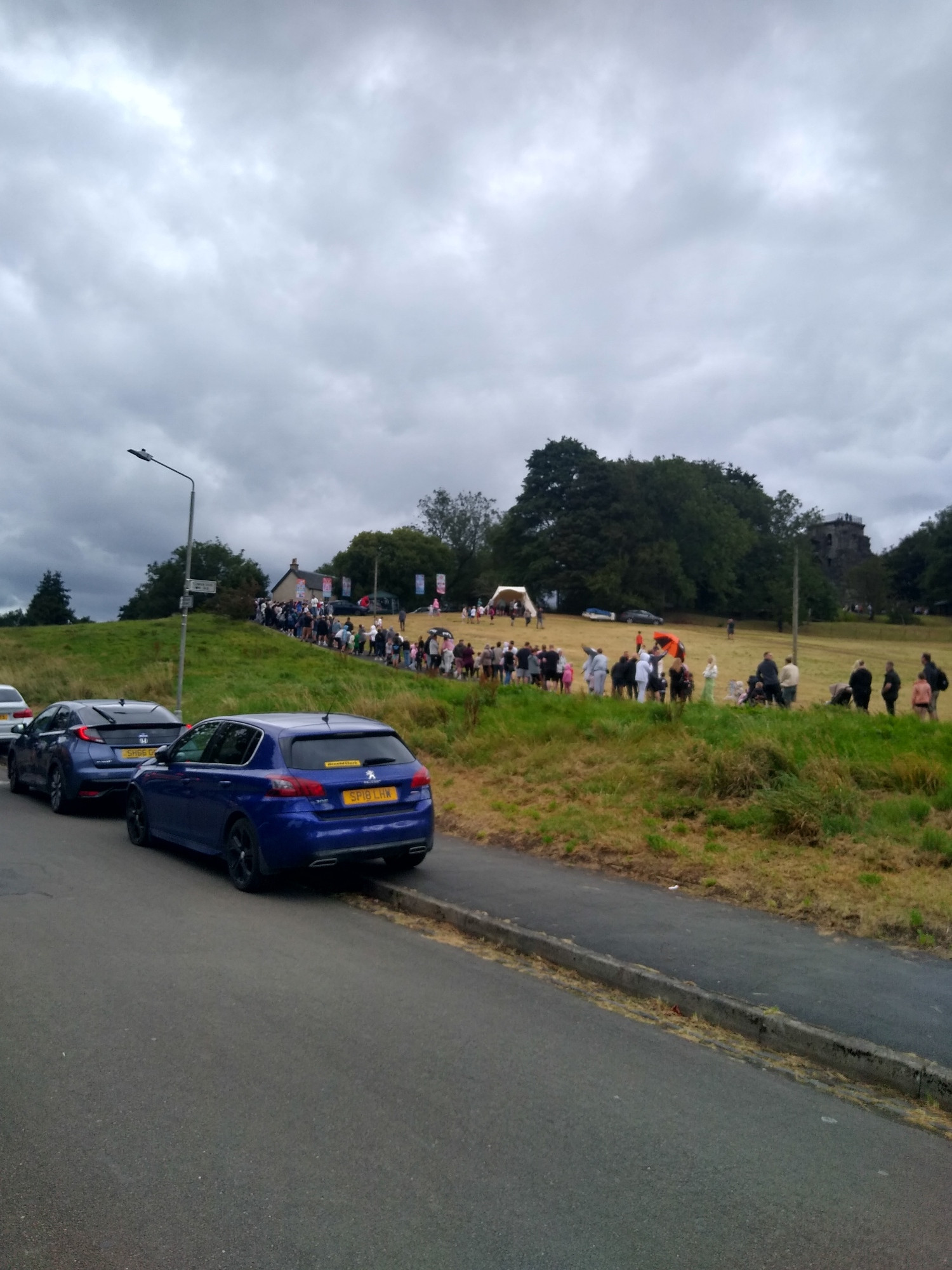
Queue to enter Friends of Crookston Castle Fun Day August 2025 copyright Castle Studies Trust

Science meets Storytelling

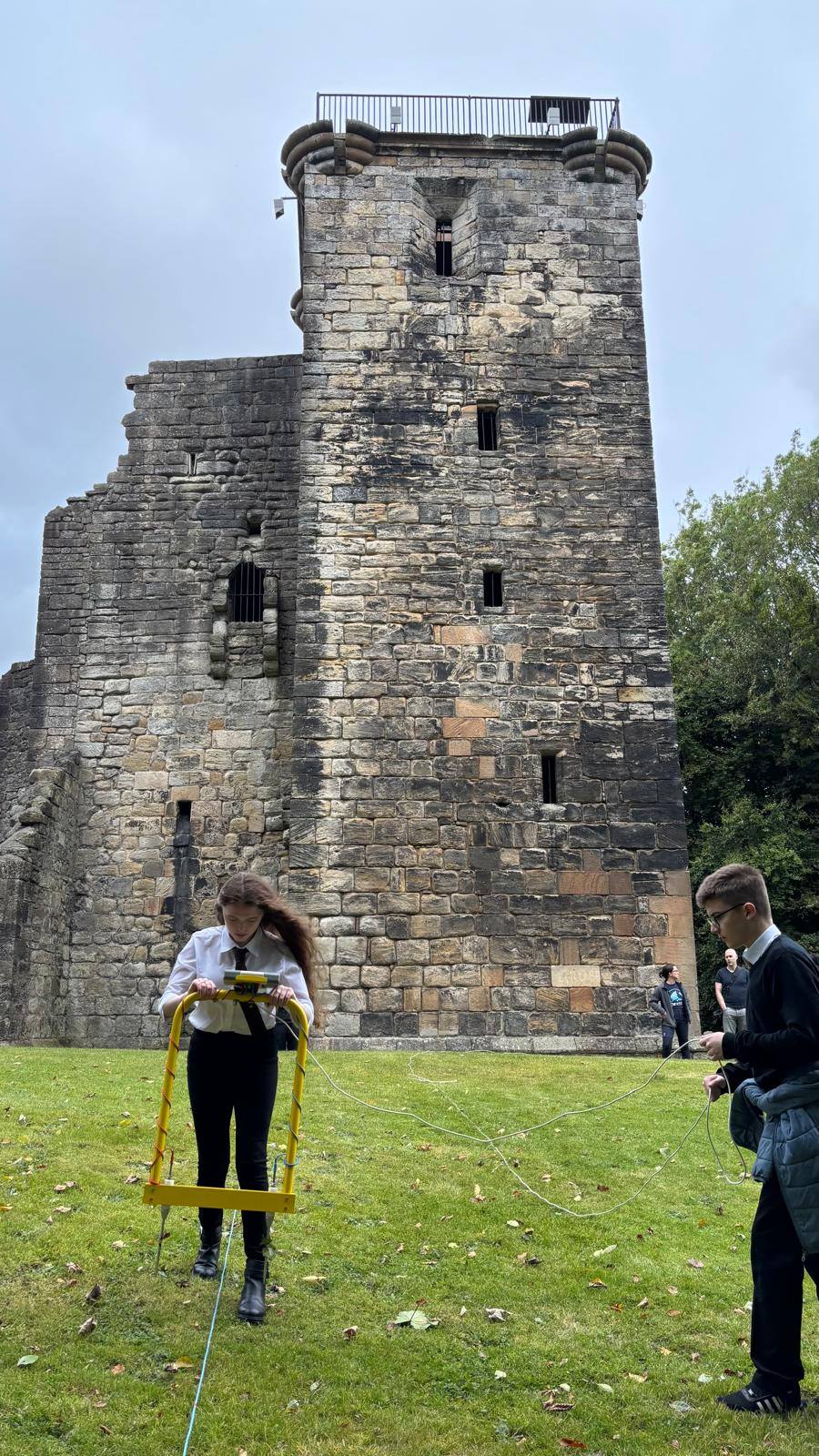
Geophysical surveys are a powerful tool in archaeology. They allow researchers to detect buried features without disturbing the ground—ideal for sites like Crookston Castle, where preservation is paramount. Under expert supervision, volunteers learned how to use these tools to scan the ground, searching for traces of ancient structures and activities.

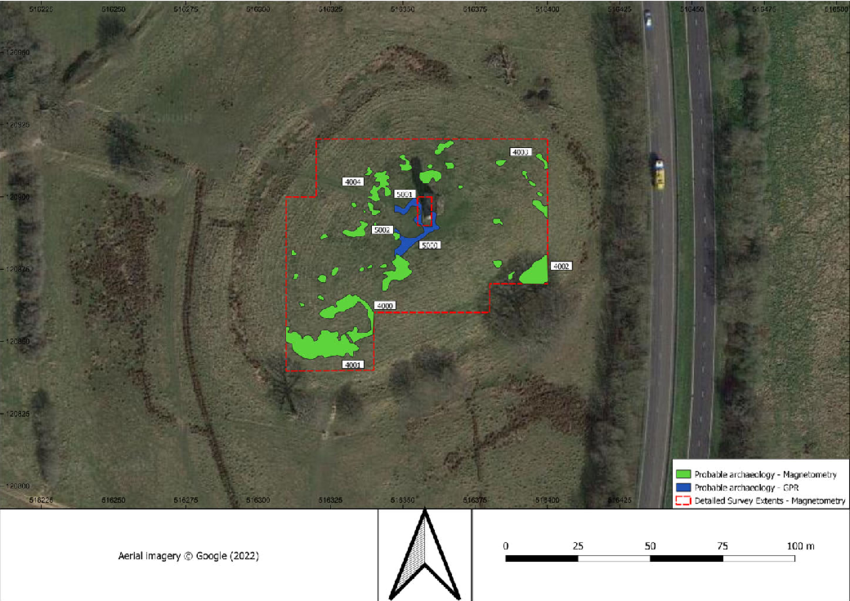
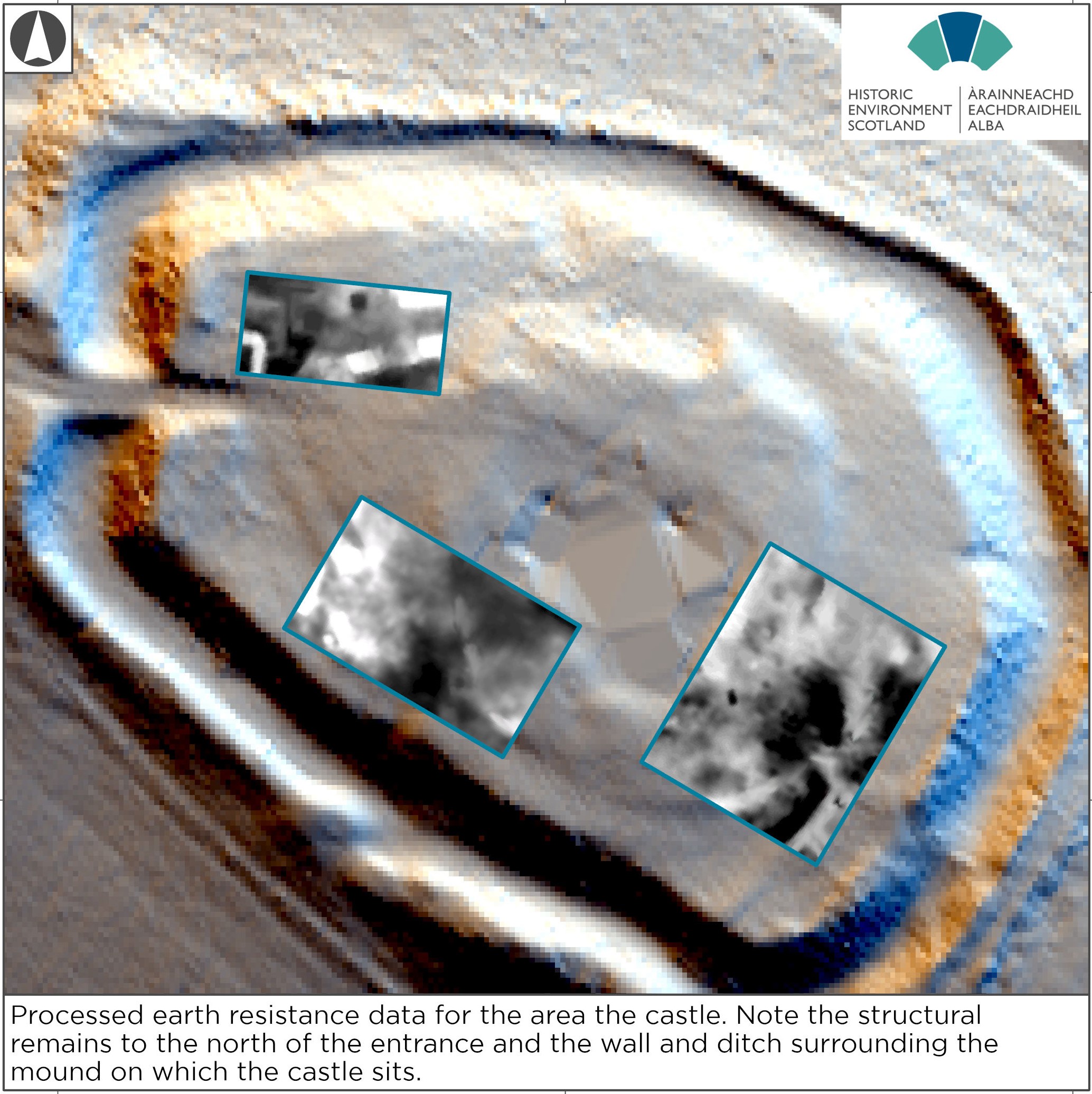
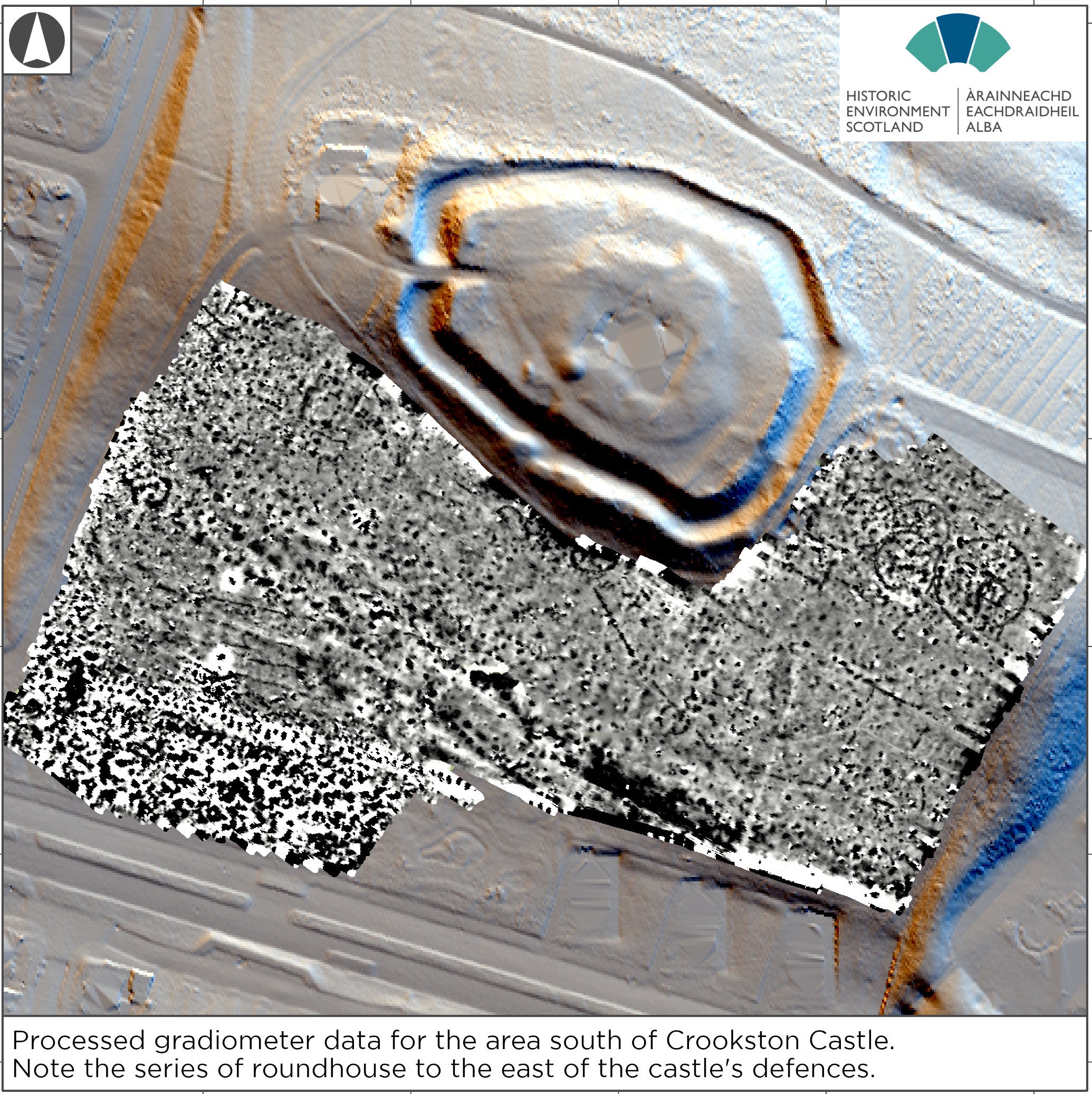
The results were great. The surveys revealed a range of previously unknown archaeological features, including later prehistoric roundhouses, a palisaded enclosure, medieval settlement remains contemporary with the castle’s occupation, and even signs of 17th-century coal mining. These discoveries added new chapters to Crookston’s story, enriching our understanding of the site’s long and varied history.

Subscribe to our quarterly newsletter

A report detailing the full results of the survey is available free to download through Trove.scot and our website: Geophysical surveys at Crookston Castle | Castle Studies Trust

Heritage as a catalyst for Connection

At the heart of this project was a belief that heritage can be a force for positive change. “The Friends of Crookston Castle” exemplify this philosophy. Their mission is to use local history as a way to bring people together, foster pride, and build bridges between communities.

Their dedication was evident not only in the fieldwork but also in the community open day they organised at the castle. Over 900 visitors attended, engaging with the archaeological team, exploring the site, learning about the discoveries, and more importantly having fun. It was a celebration of place, memory, and shared curiosity.

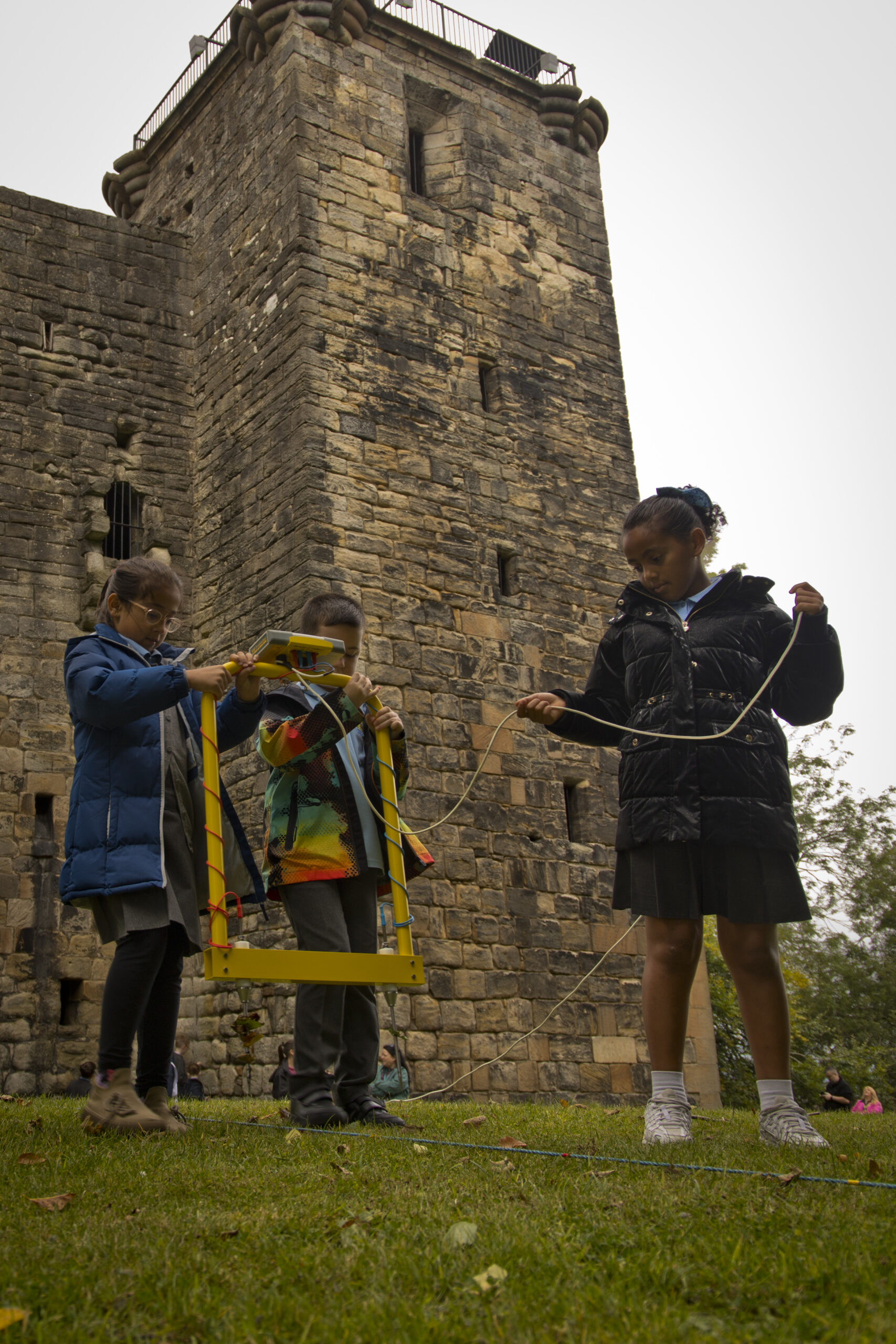
Crookston Castle Local school children carrying out the geophysical survey, copyright Friends of Crookston Castle

Learning by Doing

One of the most inspiring aspects of the project was its educational impact. For many of the school pupils involved, this was their first encounter with archaeology. They weren’t just passive observers—they were active participants, learning how to use equipment.

This hands-on experience helped make archaeology easier to understand, showing young people that history isn’t just something you read in books—it’s something you can touch, explore, and contribute to. It also planted seeds for future careers and lifelong interests, proving that heritage engagement can be both meaningful and transformative.

Subscribe to our quarterly newsletter

Crookston Castle: Local school children surveying in the castle grounds, copyright Friends of Crookston Castle

A Model for Community Archaeology

The Crookston Castle Community Geophysics Project stands as a model for how heritage organisations can collaborate with local groups to achieve something special. It wasn’t just about uncovering archaeological features—it was about empowering people to take ownership of their history, to tell their stories, and to connect with one another through a shared sense of place.

By combining scientific expertise with grassroots enthusiasm, the project demonstrated that archaeology can be inclusive, educational, and rewarding. It also highlighted the importance of funding bodies like the Castle Studies Trust, whose support makes such initiatives possible.

The Results: Large Potential for Future Archaeological Study

The survey has revealed a range of archaeological features that include structural elements of the castle, and a range of buildings and structures, including a stone enclosure surrounding the current standing remains and perhaps including a well within the castle keep. There is also possible evidence of another entrance with a gap in the stone enclosure aligning with a square enclosure south-east of the main castle Outside the castle moat an entirely unexpected cluster of later prehistoric roundhouses and a palisaded enclosure have been discovered, a significant addition to the history of this location. These represent a succession of large timber round houses.

The identification of ephemeral, possibly timber, building remains to the west south west of the castle moat highlights the potential for settlement of medieval and later date just outside the castle moat.  Finally, coal mining of medieval or later date is identified in what look like bell pits, along with the signatures of demolished 19th and 20th century buildings and infrastructure.

Looking Ahead

Now that the fieldwork is over and the data is analysed, the legacy of the Crookston Castle project continues. The findings will inform future research, conservation efforts, and educational programmes. But perhaps more importantly, the relationships forged during the project—between professionals, volunteers, students, and community members—will endure.

Crookston Castle is no longer just a relic of the past. It’s a living symbol of what can happen when people come together to explore, learn, and celebrate their shared heritage. And thanks to the vision and hard work of “The Friends of Crookston Castle,” its story is richer than ever.

Subscribe to our quarterly newsletter

Ruthin Castle: conserving and learning more about an Edwardian Castle

Fiona Gale of the Ruthin Castle Conservation Trust looks at what they are hoping to find out with the engineering survey being co-funded by the Castle Studies Trust about the Great Gatehouse of Ruthin Castle, North Wales.

Ruthin Castle is situated in North East Wales, it relates to the English conquest of the Welsh carried out by Edward I. In 1277, after conquering Wales and building an iron ring of castles around the north coast, Edward 1 gave the area in which Ruthin Castle now sits to Dafydd ap Gruffydd, brother of Llewelyn the Last. He may have begun some building in Ruthin, but the castle building really took off when the area was given to Reginald de Grey in 1282 following the defeat of Dafydd’s uprising. It is recorded that Edward visited the site of the castle with his ‘architect’ Master James of St George in the autumn of 1282 and there was some limited expenditure recorded by the Crown.

Subscribe to our quarterly newsletter

The curtain walls of Ruthin Castle have the shape of a large pentagon, with upper and lower wards separated by a deep ditch which lies immediately behind the postern gate. The de Greys remained in control of the site throughout the medieval period, despite an attack from Owain Glyndwr in 1400. Little documentary evidence survives but there is a plan and bird’s eye view from the very early 17th century, by Randle Holme, which shows a number of internal buildings including a great hall, well and chapel. By the early 17th century, however, the castle was in crown hands and recorded as being in a ruinous state ‘except for the Great Gatehouse’ and at this stage it was bought by the Middletons of Chirk Castle. It played its last military role in the Civil war period when it was held by the Royalists but taken by the Parliamentarians following a siege.

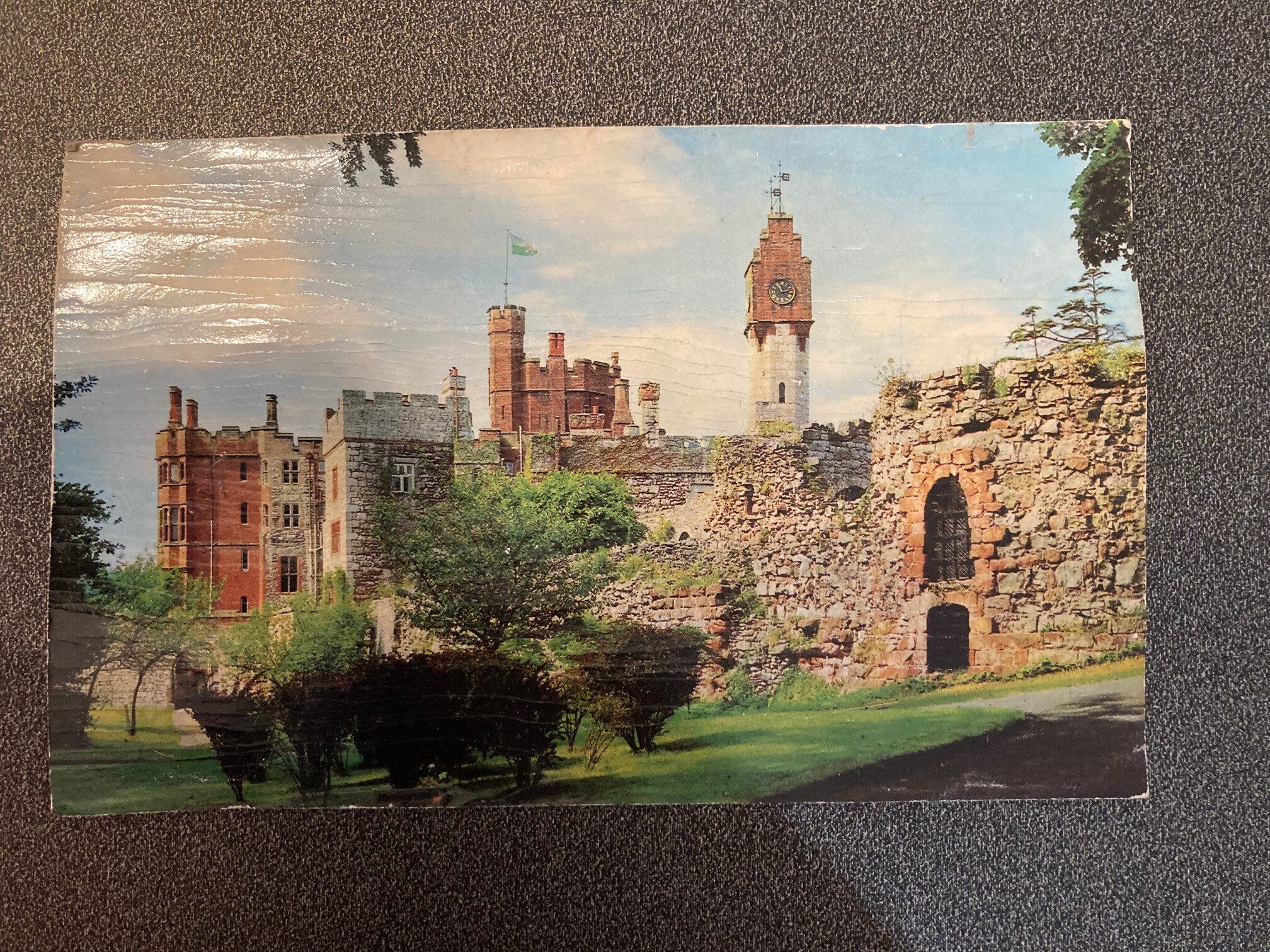
Ruthin Castle in the 1970s

Subscribe to our quarterly newsletter

Nothing was done to the site until the early 19th century and until  then it most probably acted as a good source of building stone for the town of Ruthin. However, in the 1820s the site was inherited by Harriet Middleton, and she built a large mansion house within one corner of the medieval remains. Thirty years later her nephew extended the mansion house and developed a grand garden. The remains of the medieval castle became part of the picturesque grounds of the house and much of the vegetation, particularly ivy and some trees, most probably relate to this time when the romantic picturesque ruins fitted with how a garden should be. The mansion house is now a private hotel with the building listed as Grade 2*, the medieval castle remains are a scheduled ancient monument and the gardens and grounds are on the Gardens Register.

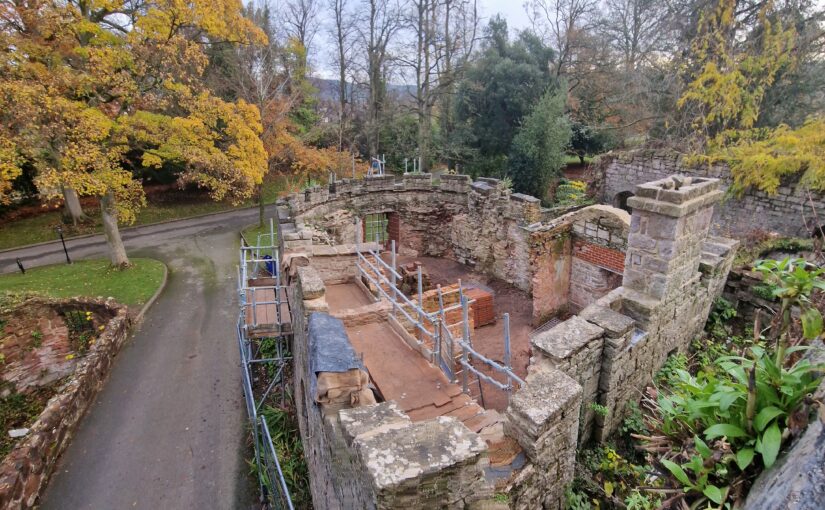
Ruthin Great Gatehouse south tower copyright Fiona Gale

Despite this neglect of the medieval remains over many centuries, there is a large amount of the fabric surviving, although there have been some alterations and additions as part of the garden development.  Levels within the interior of the curtain walls have been raised by as much as three metres. Around three quarters of the curtain wall survives, with both the postern gate and Great Gatehouse still recognizable. The Great Gatehouse, a key feature of the castle, still acts as the main entranceway into the castle gardens. It was partly rebuilt in the Victorian period, but understanding the extent of this and the extent of medieval remains is extremely important. Ruthin Castle, although one of the important castles build as part of Edward I’s campaign to quell the Welsh, has had very little antiquarian study and little research undertaken. It is hoped that a programme of work, of which this structural examination of the lower areas of the Great Gatehouse funded by the Castle Studies Trust is a part, will begin to add knowledge. A review of the Conservation Management Plan (CMP) in 2021 identified the Great Gatehouse, and particularly features within it, as in imminent danger of collapse.

Ruthin Castle Conservation Trust was established  in 2016 and members comprise  former Cadw inspector, local historians, construction and planning specialists, and representatives of local organisations. Representatives of the owners also sit on the Trust, demonstrating their support.

In 2021, the Trust was successful in an application to Cadw for funding to undertake conservation work on the Great Gatehouse of the castle, to address serious issues which had been identified within the CMP. Despite extra funding from Cadw the funds available were only enough to conserve the upper levels of the Gatehouse. The structure proved much more complicated than expected with surviving medieval masonry at ground level, which was completely unexpected, Victorian rebuild of external walls and a subsequent brick ‘house’ inserted into the structure. The area which was not reconsolidated with funding from Cadw was the lower, predominantly medieval area of the Great Gatehouse.

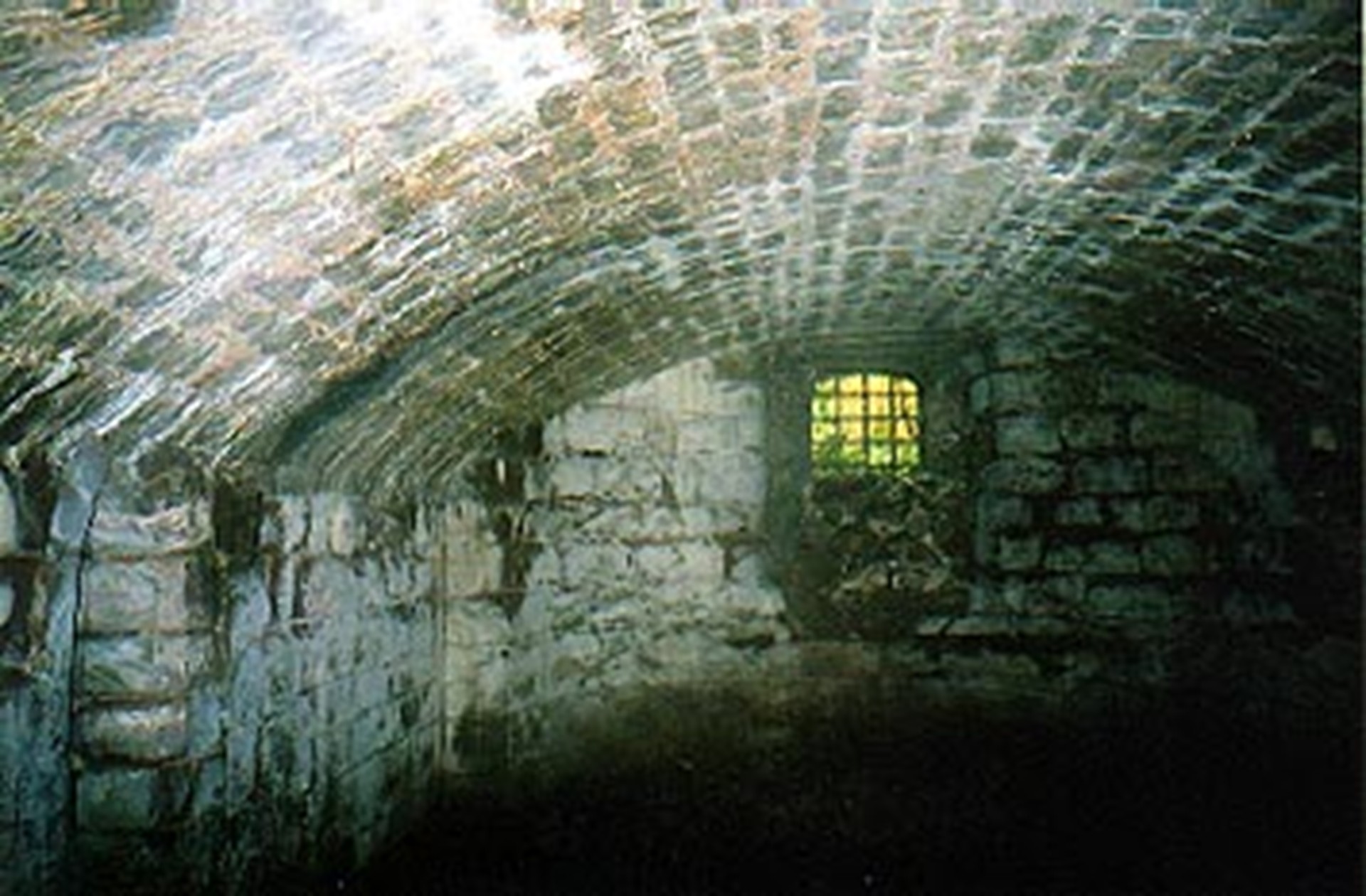
Ruthin Castle Great Gatehouse lower level interior, copyright Fiona Gale

Thanks to grant aid from the Castle Studies Trust, which is matching a contribution from the Cambrian Archaeological Association, the Trust will employ an expert structural engineer to look at the underground, medieval, areas of the Great Gatehouse, and develop a plan of work to address issues of collapse and water ingress.  This work is scheduled to take place in mid-April 2026.

Subscribe to our quarterly newsletter

Armed with this information, the aim is to apply for further funding to address the serious conservation issues remaining. Concurrently the Trust is seeking funds to work with an experienced legal firm to develop a formal, legally binding, agreement between the Trust and the private owners which we hope will open up the possibility to apply for larger sums from the likes of Cadw and National Lottery Heritage Fund to then undertake the pressing conservation issues in the Gatehouse and throughout the extensive medieval remains. The information the structural engineer will provide will be key in moving towards this stage.

The funding from the Castle Studies Trust will help the Trust both gain further information about the condition of a part of Ruthin Castle and will act as a catalyst for funding in the future. The medieval ruins of Ruthin Castle form part of the gardens of the private hotel but are open to the public to explore, and the Trust would be keen to offer a tour of the remains to members of the Castle Studies Group.

Subscribe to our quarterly newsletter

Cockermouth Castle – Building Survey Diary Stage 1 – Update

Following his and his team’s first visit to survey the inner ward of Cockermouth Castle Tom Addyman looks at what they have found so far.

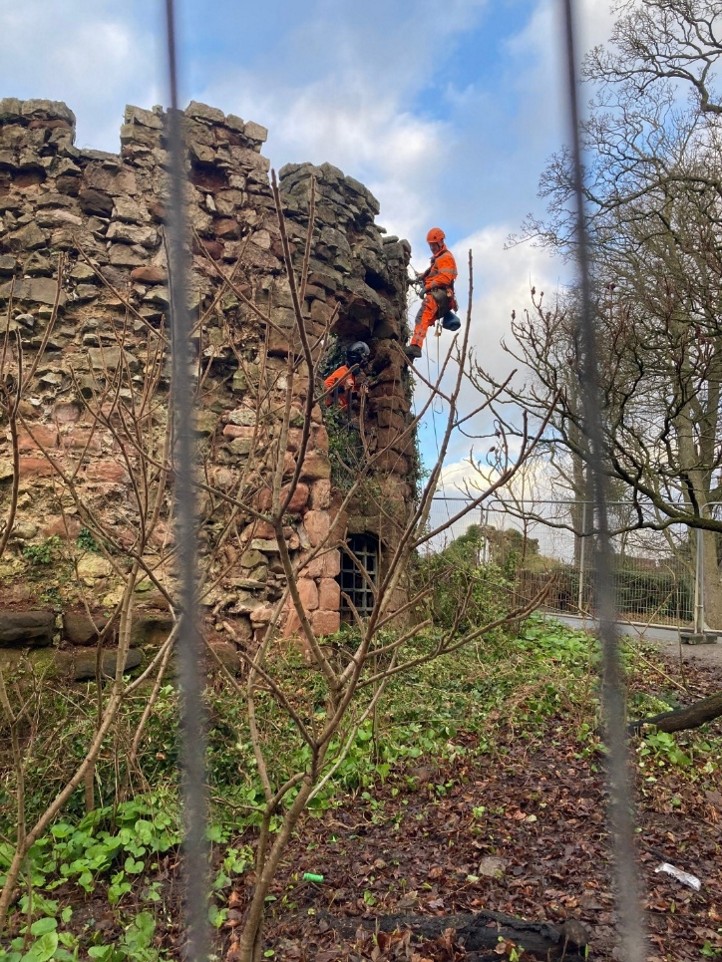
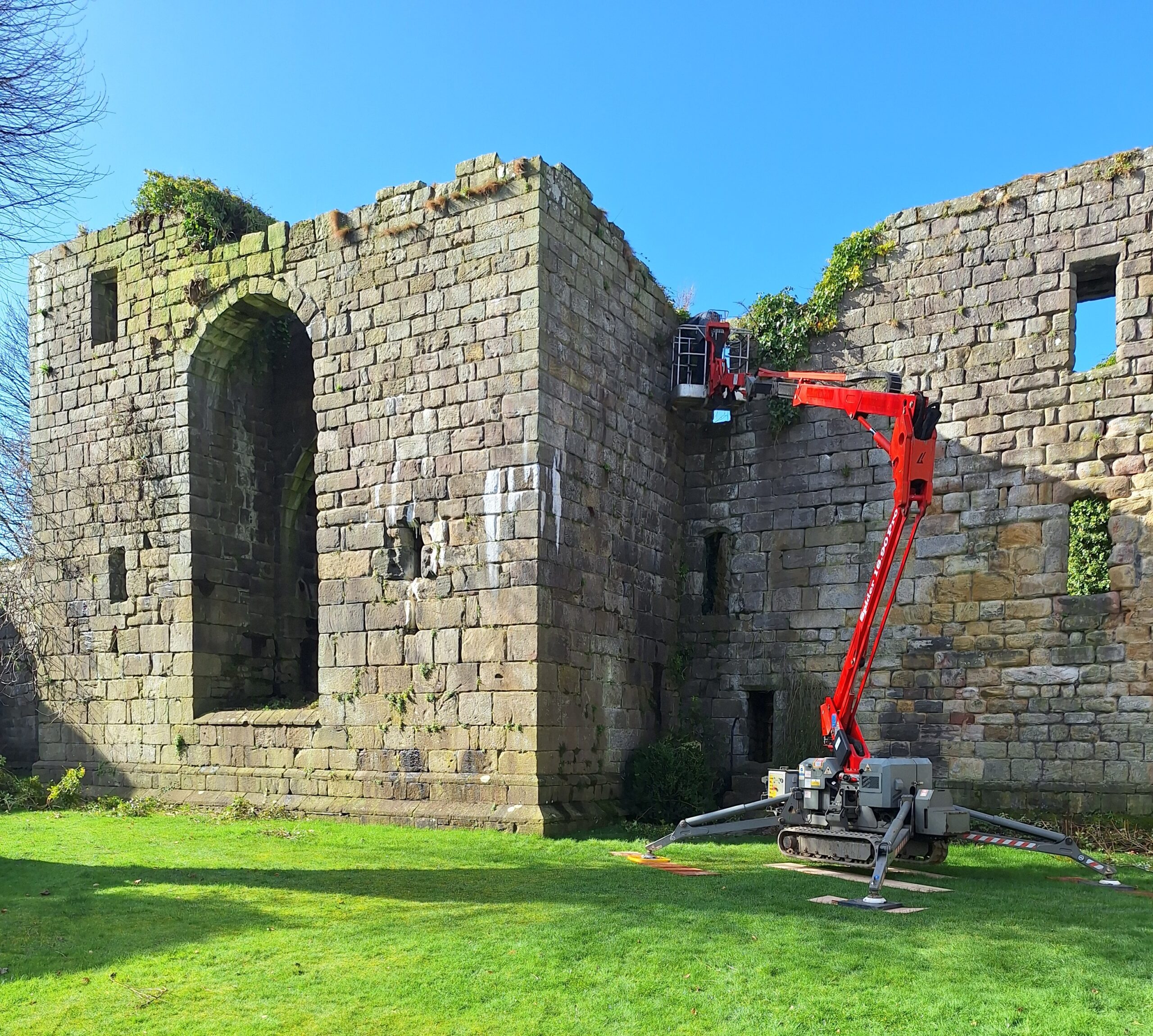
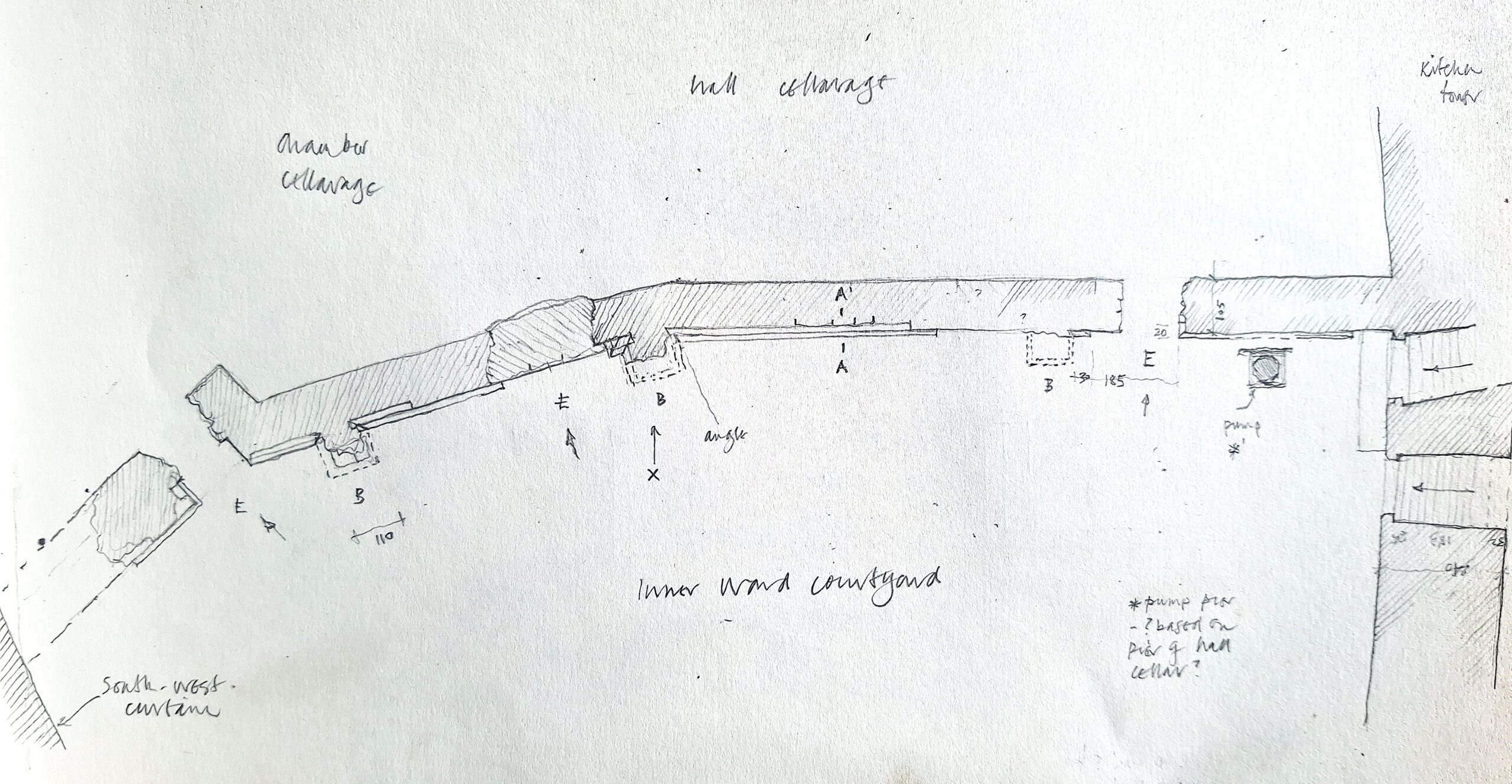
The initial stages of survey were carried out at Cockermouth Castle, within the inner ward area.  Adverse weather held off until gales forced an early retreat on the third day.  In spite of that excellent survey coverage was achieved, principally establishing a survey control and data capture for photogrammetry.  Great assistance was given by the estate in reduction of obscuring vegetation that revealing a number of areas that were long-obscured, and through the provision of high-level access.  The initial survey stage also included a general photographic record and preliminary fabric analysis such as the image below of the hall range frontage – sketch plan.

Subscribe to our quarterly newsletter

Cockermouth Castle high level access, inner ward gatehouse, copyright Addyman Archaeology
Cockermouth Castle hall range frontage – sketch plan, copyright Addyman Archaeology

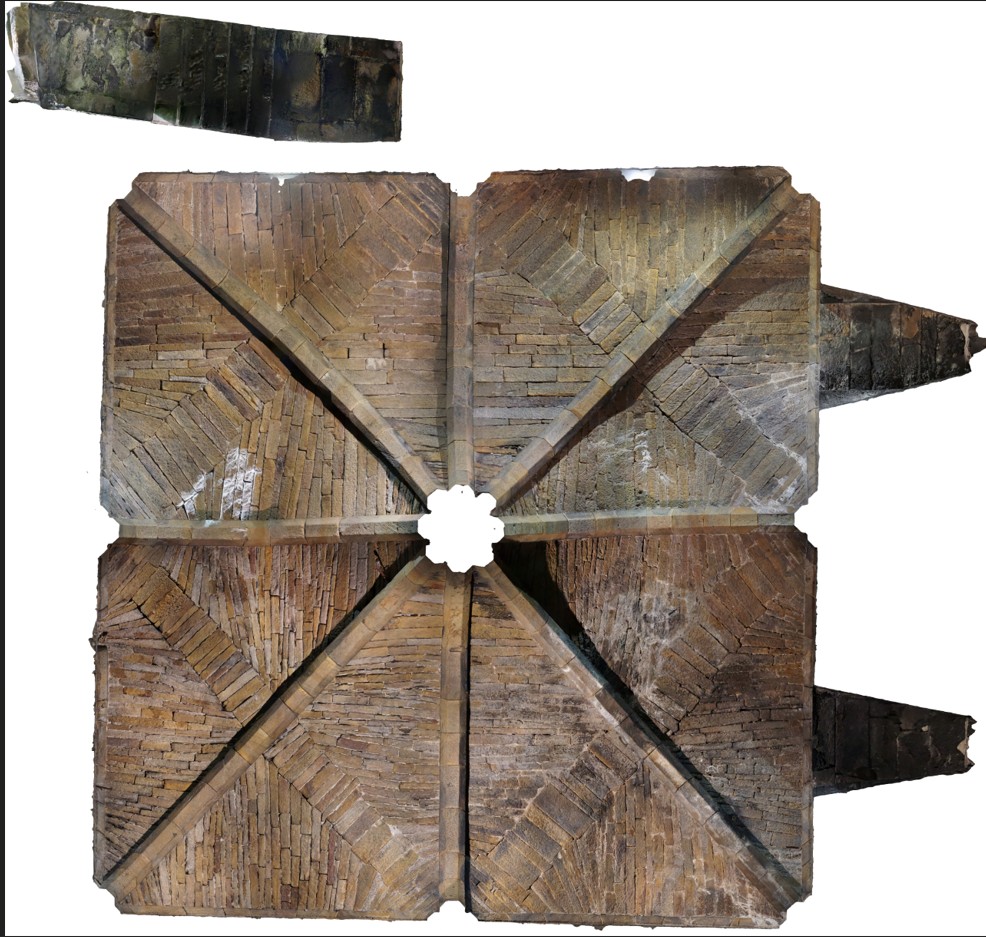
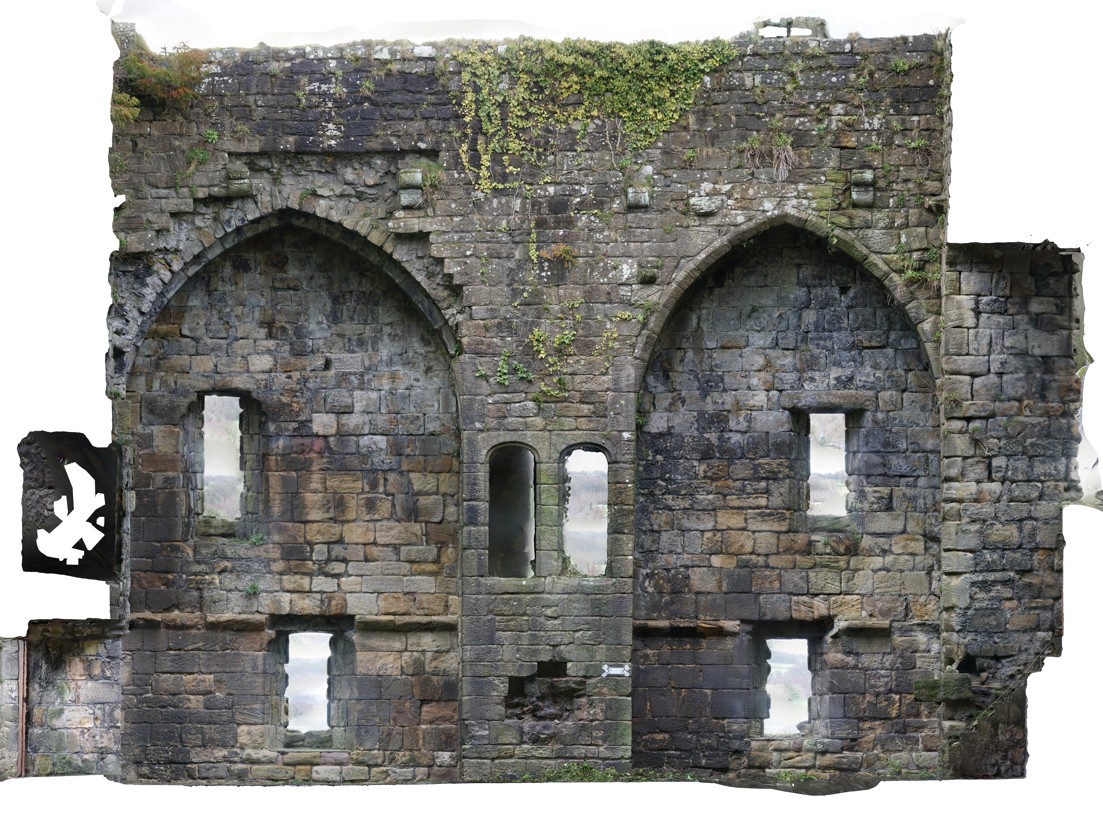
Initial processing of the imagery worked well leading, as intended, to the generation of dimensionally accurate projections to be used as a basis for a survey drawing set.  In purely visual terms some striking individual images emerged, such as a vertical projection of the vaulted ceiling structure of the cellarage beneath the kitchen tower and elevation views within the kitchen interior.    

Subscribe to our quarterly newsletter

Cockermouth Castle vertical projection showing vaulting configuration of lower level of the kitchen tower, copyright Addyman Archaeology
Cockermouth Castle north interior of the kitchen tower showing remains of former gallery arrangements, copyright Addyman Archaeology

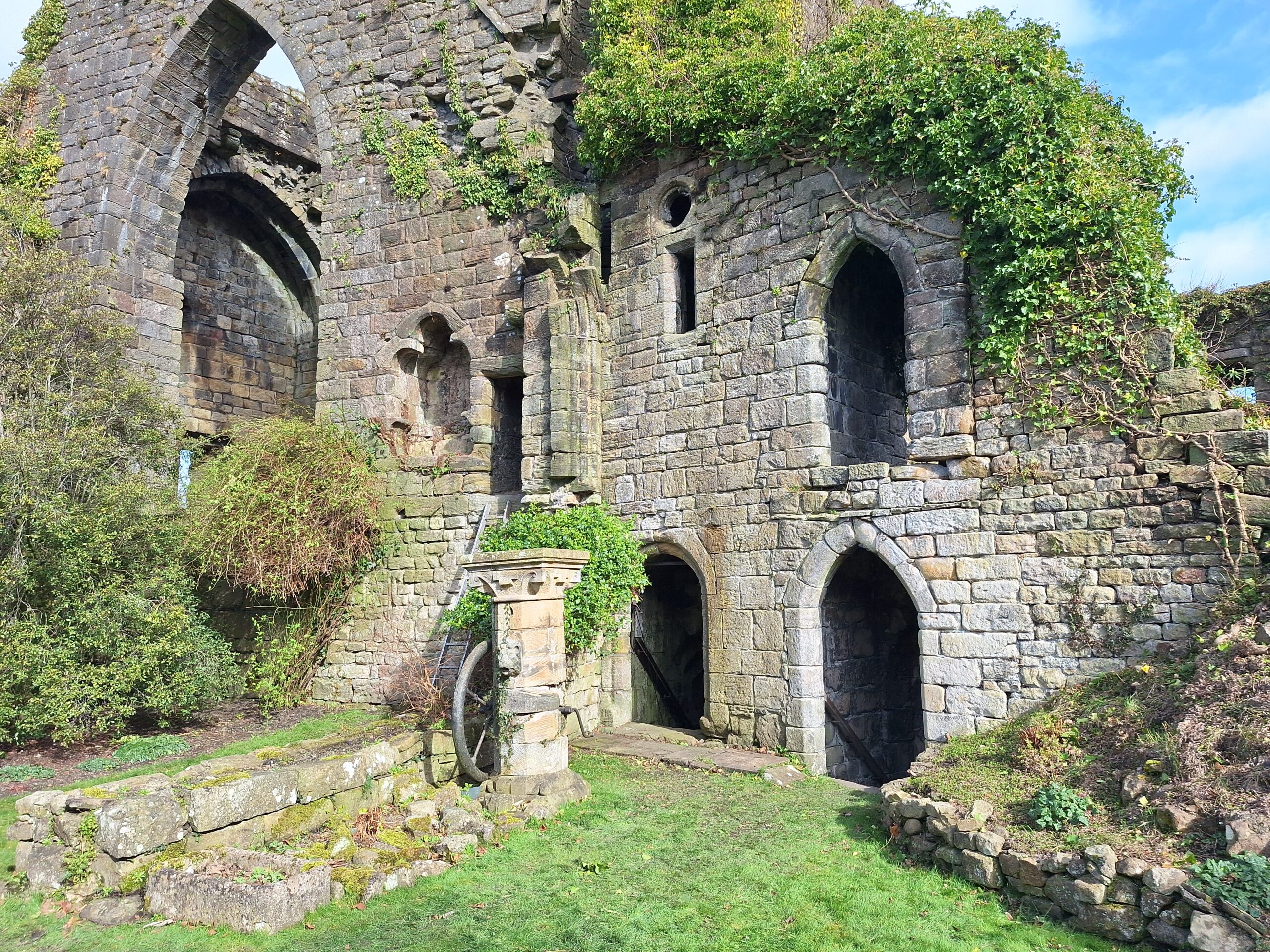
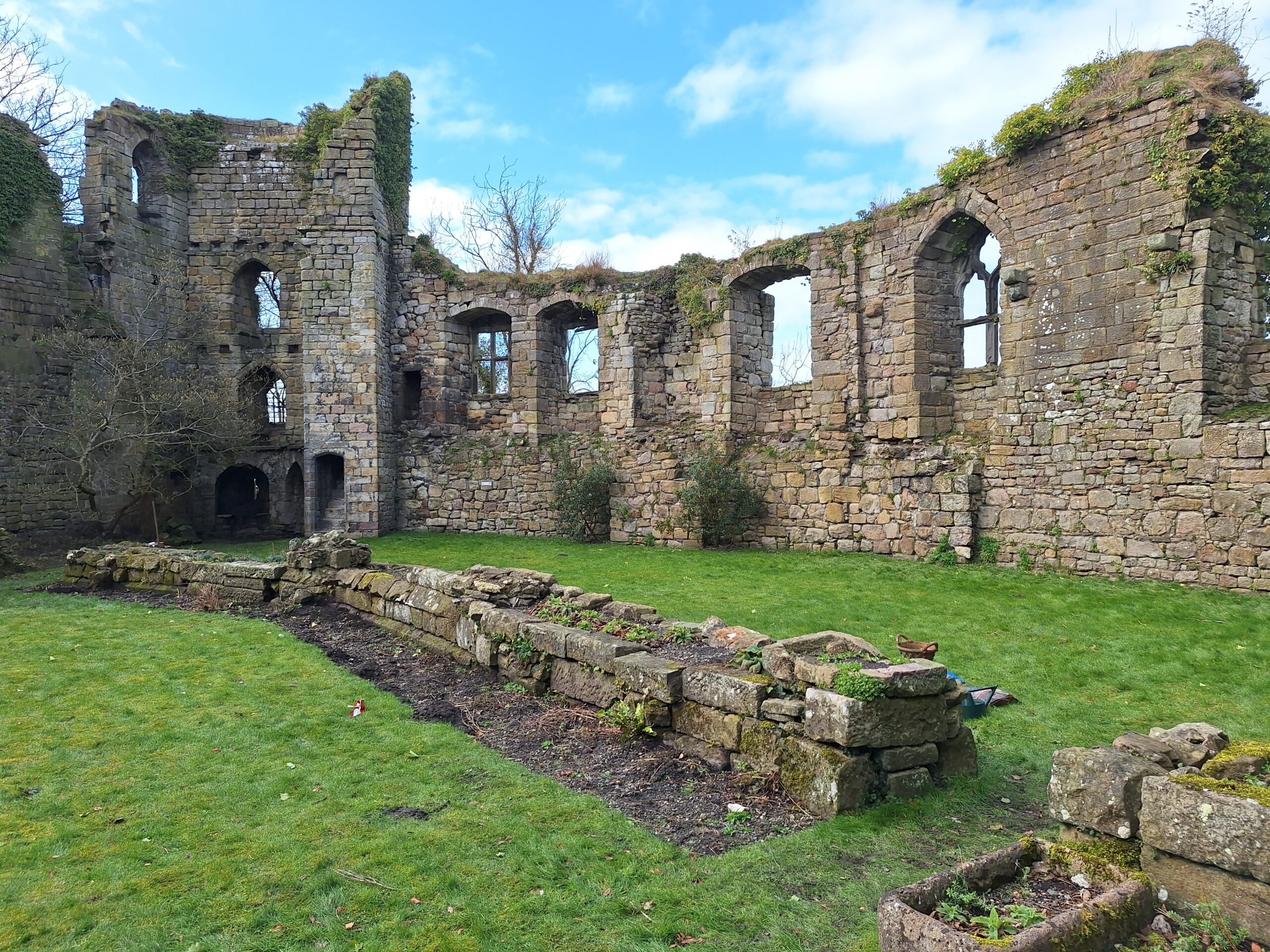
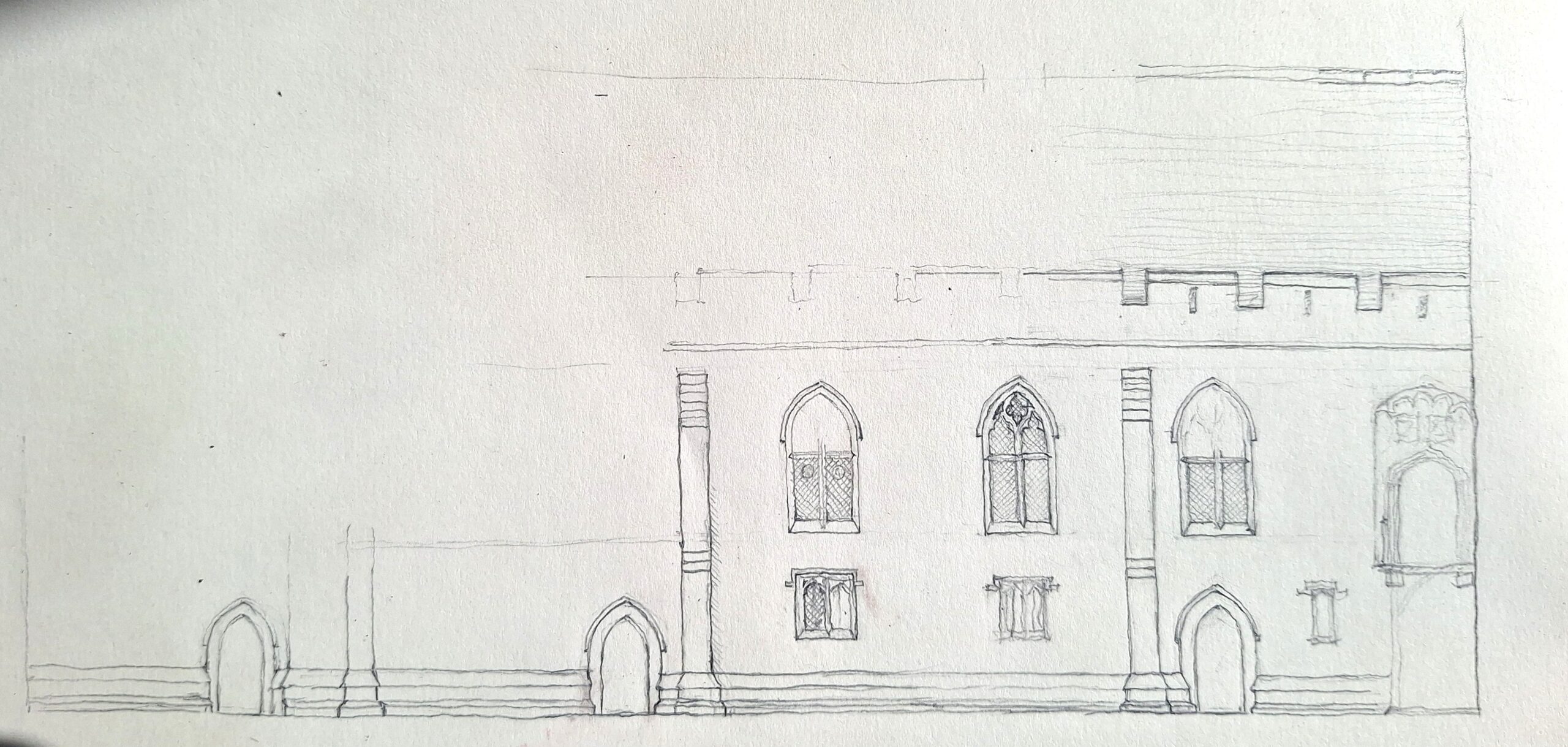
Better access to the fabric allowed better understanding of the evidence for the evolving hall range arrangements (hall entrance and junction with the kitchen range and general view of hall range, north wall.  Examination of the surviving footings of the hall range’s courtyard frontage led to a preliminary reconstruction of its former appearance (image – preliminary sketch reconstruction of hall range frontage).

Cockermouth Castle great hall entrance and junction with the kitchen range, copyright Addyman Archaeology
Cockermouth Castle general view of hall range, north wall, copyright Addyman Archaeology
Cockermouth Castle preliminary sketch reconstruction of hall range frontage, copyright Addyman Archaeology

Once image processing is complete a follow on survey trip will involve detailed marking up of the imagery with phasing data and other analytical information.  There will also be a review of early records of the castle with the estate archivist and volunteer team.

Subscribe to our quarterly newsletter