Reimagining Fyvie Castle

Alice Connelly of the National Trust for Scotland takes a look at The Re-imagining of Fyvie Castle project.

Rising above the rolling landscape of Aberdeenshire, Fyvie Castle is the quintessential Scottish fairytale castle. Its pink harled walls, ornate towers and landscaped grounds draw thousands of visitors from the nearby A96 each year, inviting them to explore centuries of Scottish history hidden behind its striking exterior.

Subscribe to our quarterly newsletter

Inside, visitors are guided through the castle’s richly furnished rooms by a dedicated team of volunteers, hearing stories of royal visits, political intrigue, battles, folklore and ghostly legends. Yet the magnificent castle we know today emerged from much humbler beginnings.
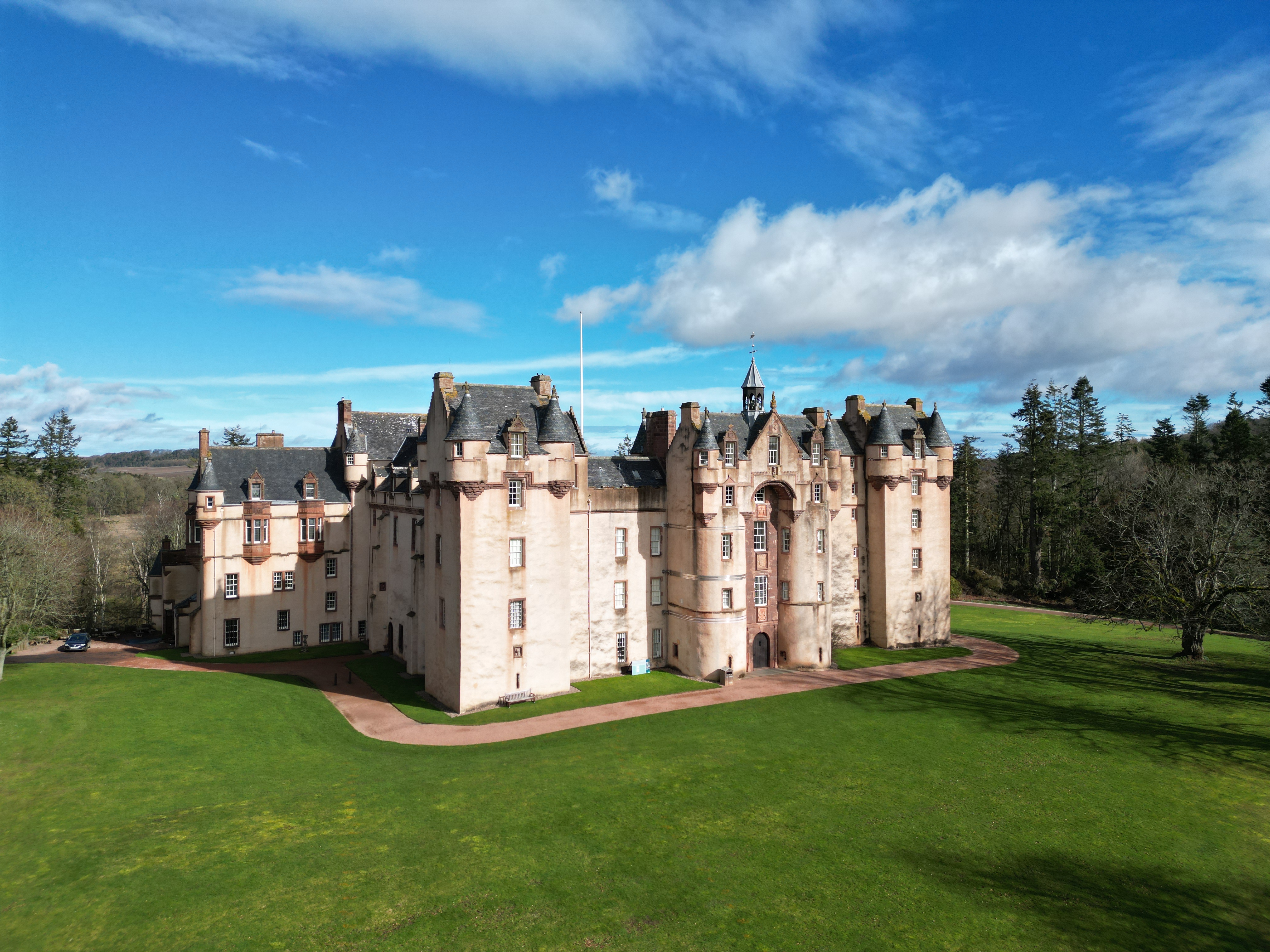
Fyvie Castle today, copyright National Trust for Scotland

Fyvie began as a timber stronghold built on a natural defensive platform, protected by the River Ythan and surrounding bogland. Over time, the site evolved dramatically: timber was replaced with stone and successive generations expanded and remodelled the building. What began as a laird’s fortified residence gradually transformed into a royal stronghold and, eventually, the lavish country estate seen today.

Fyvie also occupies an important place within the cultural traditions of north-east Scotland. The castle and village are woven into Scots song and folklore through tunes such as The Bonnie Lass o’ Fyvie and Mill o’ Tifty’s Annie. The latter tells the tragic story of Bonnie Annie and Andrew Lammie, the trumpeter to Lord Fyvie. The grave of Annie Smith, the woman thought to be Bonnie Annie, can still be visited in Fyvie cemetery today, while a carved stone trumpeter stands among the twenty-four decorative figures that crown the castle roofline, a reminder of how deeply history, music and storytelling are embedded within the site.
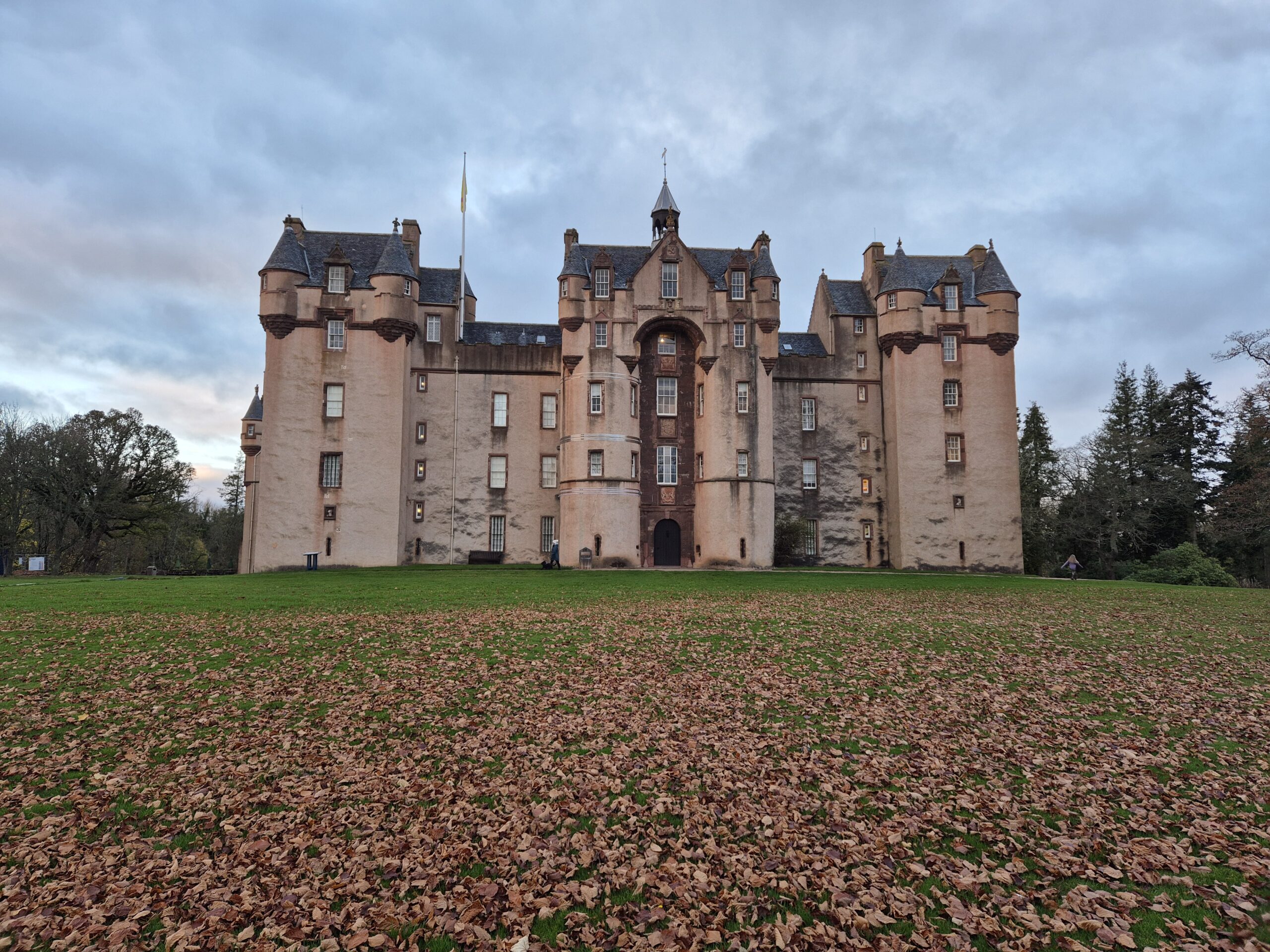
Fyvie Castle today, copyright National Trust for Scotland

Recently, Fyvie featured in the National Lottery Heritage Fund supported television programme Great British Castle Rescue, presented by Rick Edwards. The programme explored both the architectural significance of the castle and the challenges involved in conserving such a complex historic building for future generations.

Subscribe to our quarterly newsletter

At the heart of this work is the Fyvie Reimagined project. The project aims not only to conserve and repair the fabric of the castle, but also to deepen public understanding of how Fyvie developed over time. Fyvie remains a focal point for the local community and an Aberdeenshire landmark; cherished by regular visitors who walk the grounds throughout the seasons, as well as those travelling from much further afield to experience one of Scotland’s great historic houses.

As part of this wider effort, the Castles Studies Trust has funded a new series of interpretation drawings designed to help visitors visualise key moments in the castle’s development. While the standing building tells a remarkable story, understanding how Fyvie changed across seven centuries can be difficult when viewing the castle only in its present form. The illustrations aim to bridge that gap, allowing visitors to imagine Fyvie at different stages in its history and better understand how architecture, landscape and daily life evolved together over time.
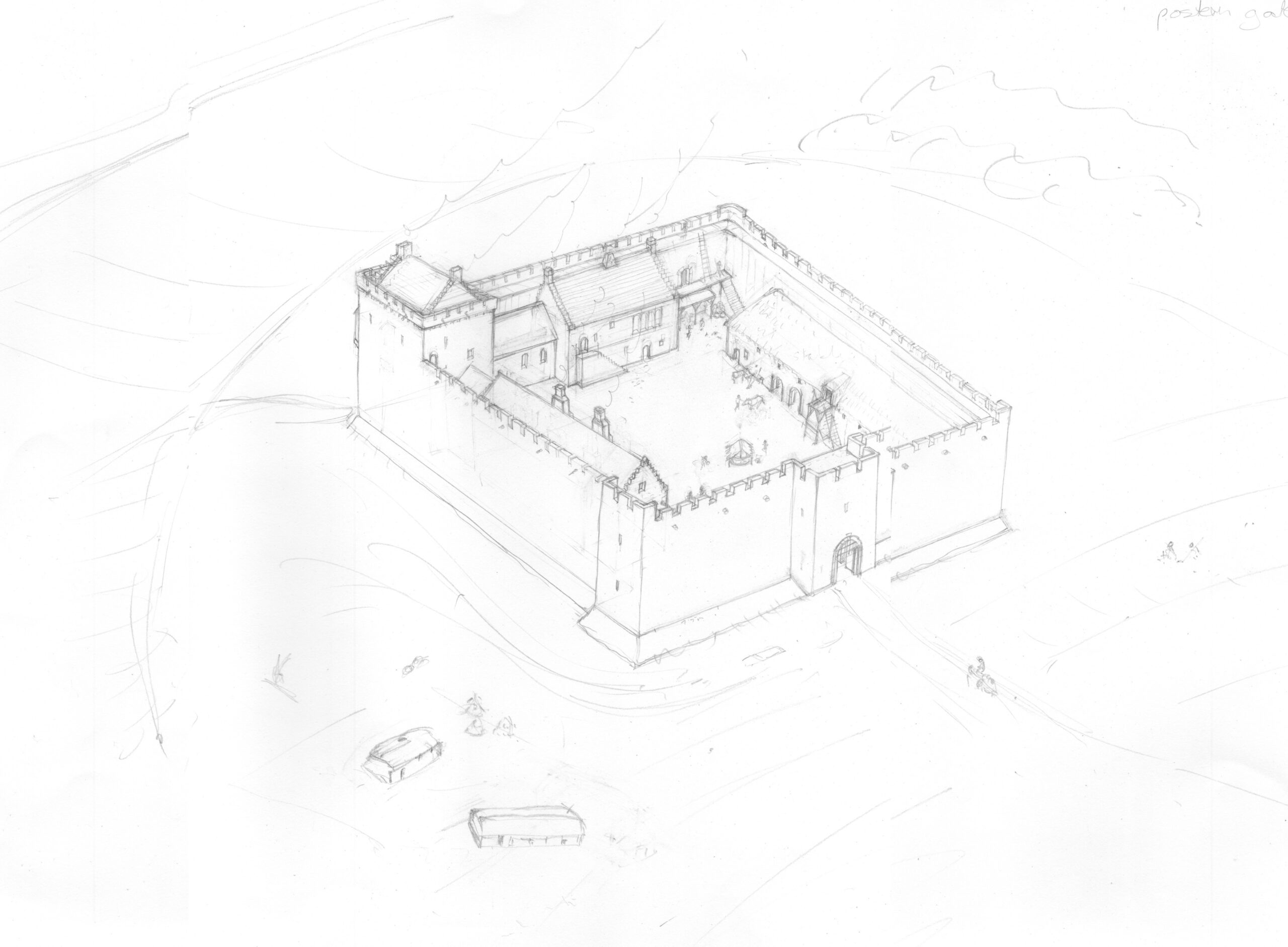
Initial image of Fyvie as an enclosure castle in 1398 by Jan Dunbar, copyright Jan Dunbar

Several key periods in the castle’s development were selected for reconstruction, charting Fyvie’s transformation.

  1. The early palisaded, motte and bailey type structure, 1211
  2. Enclosure castle in stone, 1398
  3. Full courtyard palace, 1596
  4. North and East wings, with formal gardens in ruins and general dilapidation of main blocks, 1734
  5. South and West Ranges restored, altered roofline with new tower and formal parkland setting, 1784
  6. Castle as we know it today, with Leith Tower as fresh addition, connection of Butlers apartment by new kitchens, 1980

Each drawing will capture not simply the appearance of the castle, but also something of the activity and atmosphere surrounding it.

Importance was also placed on depicting construction work and scaffolding within one of the earlier scenes. Too often, castles are presented as finished monuments rather than places shaped by generations of labour, craftsmanship and continual rebuilding. Showing the physical process of construction helps highlight the immense skill and effort required to create buildings like Fyvie, while also drawing attention to the ongoing conservation work needed to preserve them today.

The illustrations therefore serve several purposes at once. They help visitors engage more deeply with the castle’s long history, provide an accessible way of communicating archaeological and architectural research, and reinforce the importance of protecting Scotland’s built heritage for future generations. By visualising change over time, the drawings encourage people to see Fyvie not as a static monument, but as a living site that has continually evolved across centuries of Scottish history.
Subscribe to our quarterly newsletter

Castle Studies Trust 2026 Grant Awards

The Castle Studies Trust is delighted to announce the award of eight grants, totalling a record  £44,500, to a wide range of projects involving a wide variety of research methods. This total means that, since our foundation, we will have given nearly £350,000 to castle research projects – a landmark to celebrate.

Subscribe to our quarterly newsletter

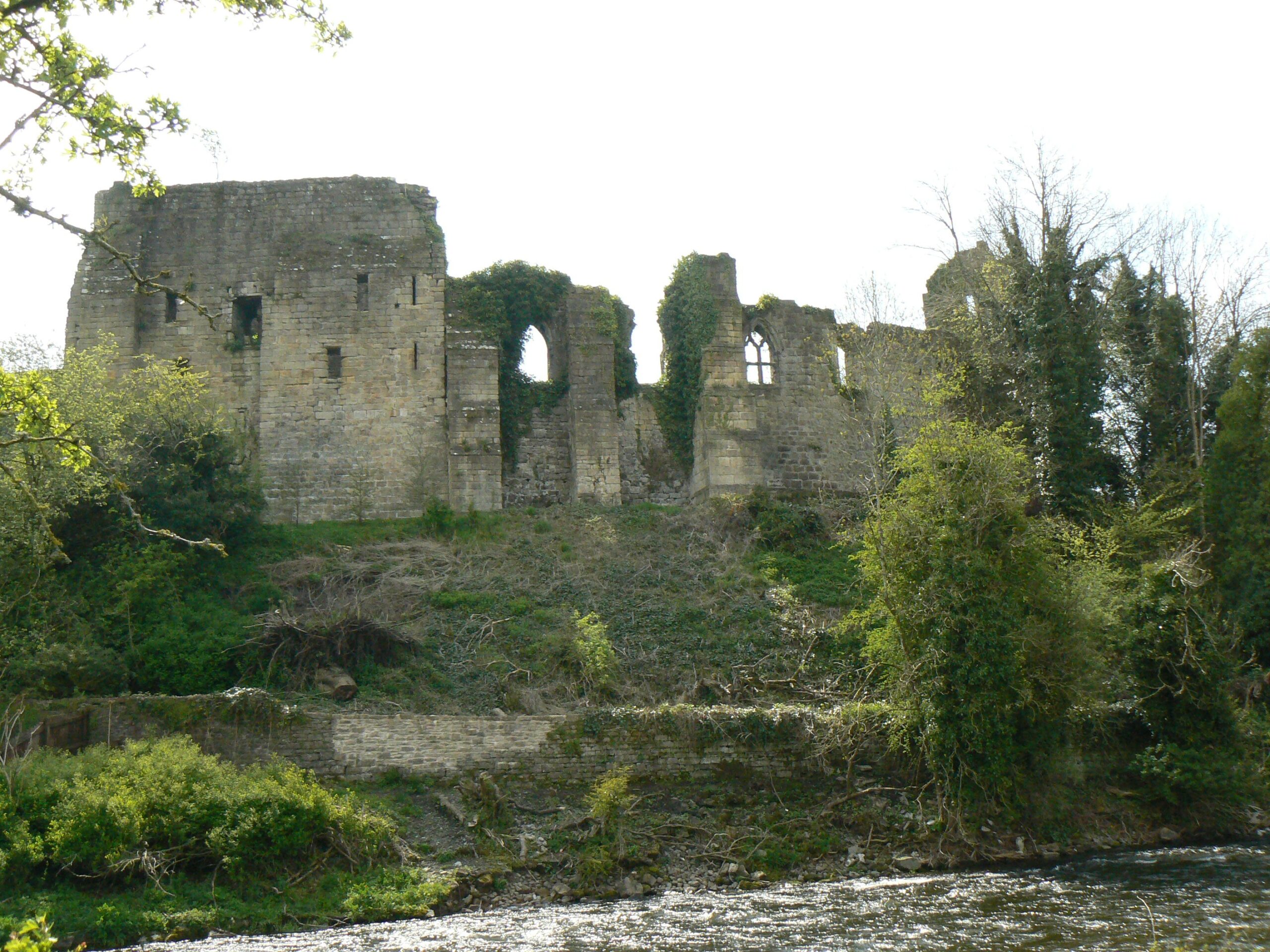
Cockermouth Kitchen Tower and Great Hall Range from river, copyright Richard Oram

Cockermouth, Cumbria: Cockermouth Castle is an extensively surviving major multi-phase northern fortress whose evolutionary history has never been subject to systematic or formal assessment.  The building survey will focus upon developing a detailed understanding of the physical fabric of the castle’s inner ward structures with a view to mapping their evolution, and to provide contextualization by relating the major building periods to the site’s known history and occupancy, and in terms of the broader evolution of castle architecture. The survey will be carried out by Tom Addyman with the support of Edward Impey and Richard Oram.

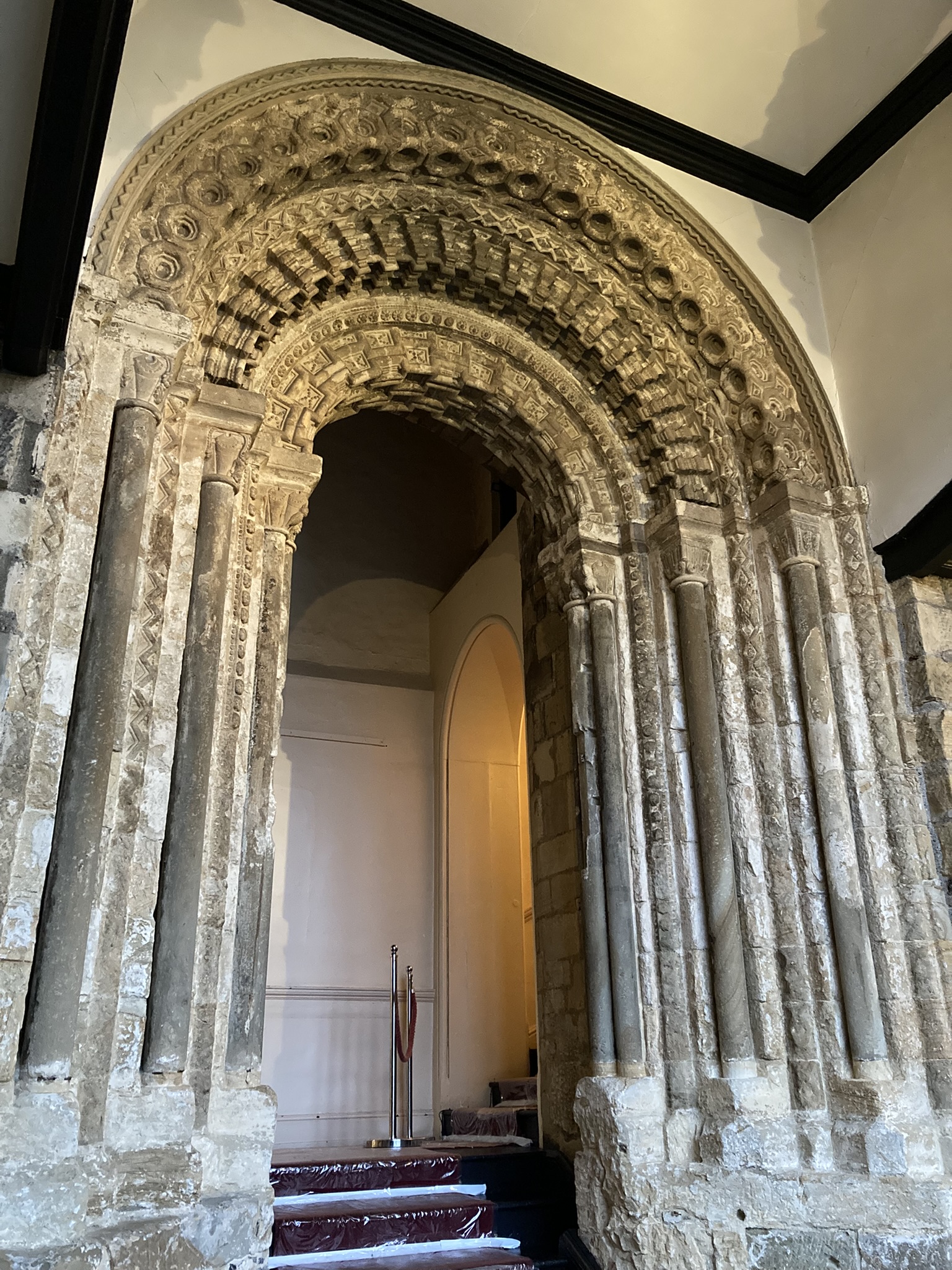
Durham Castle’s twelfth century entrance way, copyright Dr Andrew Ferrara

Durham Castle, County Durham: Investigating the Twelfth-Century Entranceway of Durham Castle. The aim of the project is to utilise digital archaeological techniques to create high-resolution images and models of the twelfth-century archway into Durham Castle’s North Range, enabling detailed investigation of the architectural features. The Durham University team carrying out the work will be led by Andrew Ferrara and Giles Gasper.

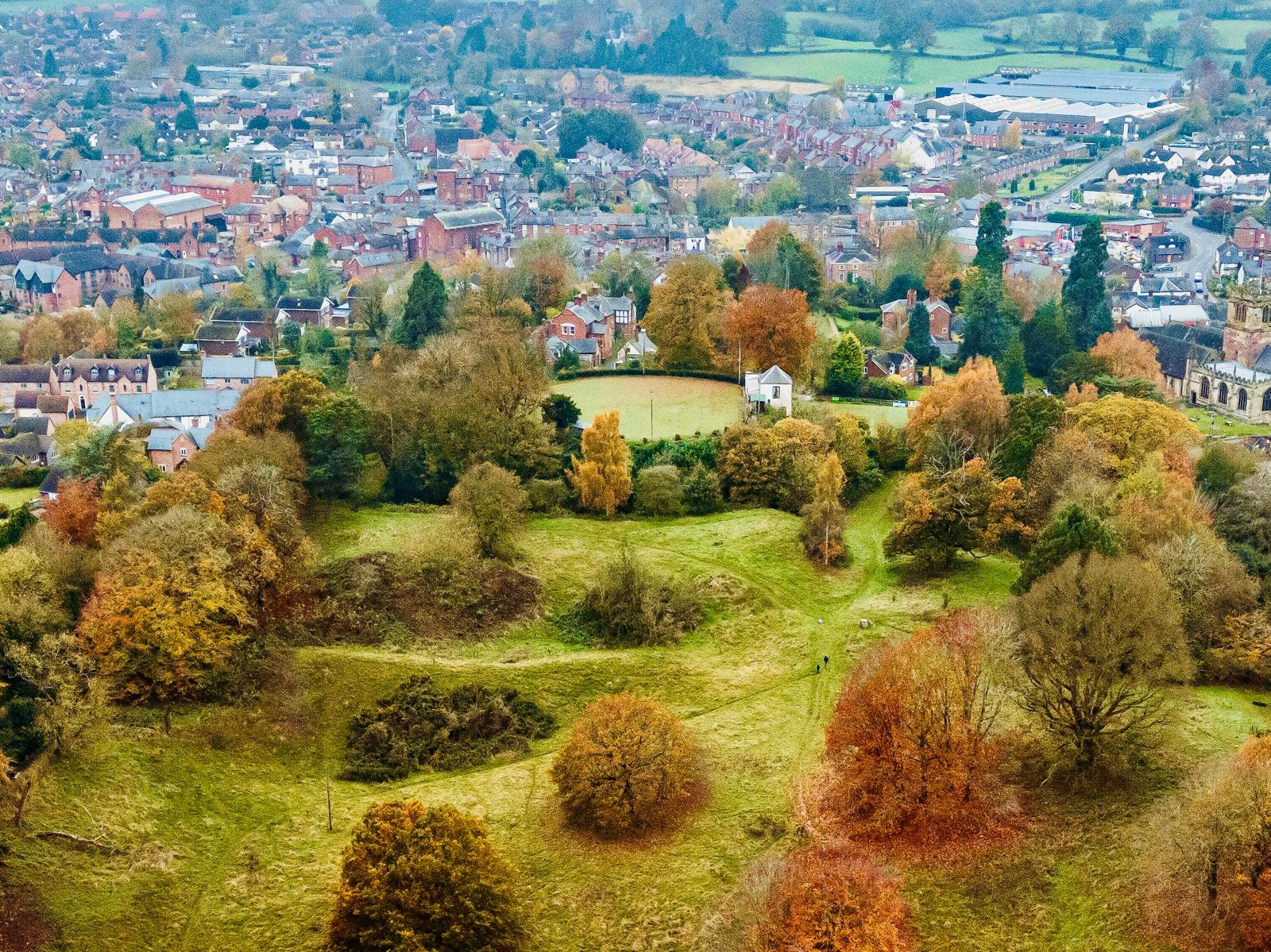
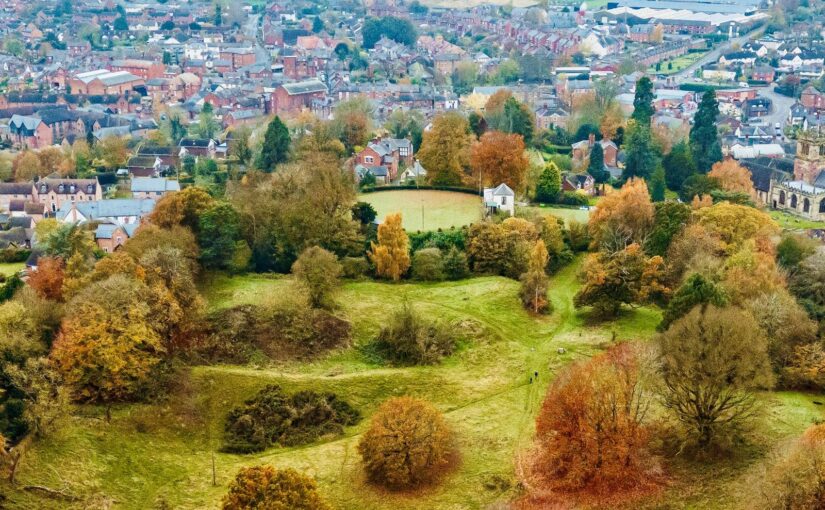
Ellesmere Castle from the air, copyright Joe Bickerton

Ellesmere, Shropshire: Geophysical survey of the large motte and bailey castle in Shropshire which, prior to June 2024, had never been surveyed before when the large motte was surveyed by GPR which revealed possible buildings. The resistivity and magnetometry surveys would confirm that, as well as extend the survey to the rest of the site which played an active part in the Marcher disputes in the reign of Henry III. The survey, carried out by Heneb, will take place in the week starting 9 March, with the results ready in the early summer.

Subscribe to our quarterly newsletter

Fyvie Castle, copyright National Trust of Scotland

Fyvie, Aberdeenshire: The project aims to create new interpretation drawings to showcase key stages in the architectural development of the castle, which dates to the thirteenth century, and share these as part of outreach and engagement. The drawings by Jan Dunbar will be commissioned by Annie Robertson of the National Trust and are expected to start in April.

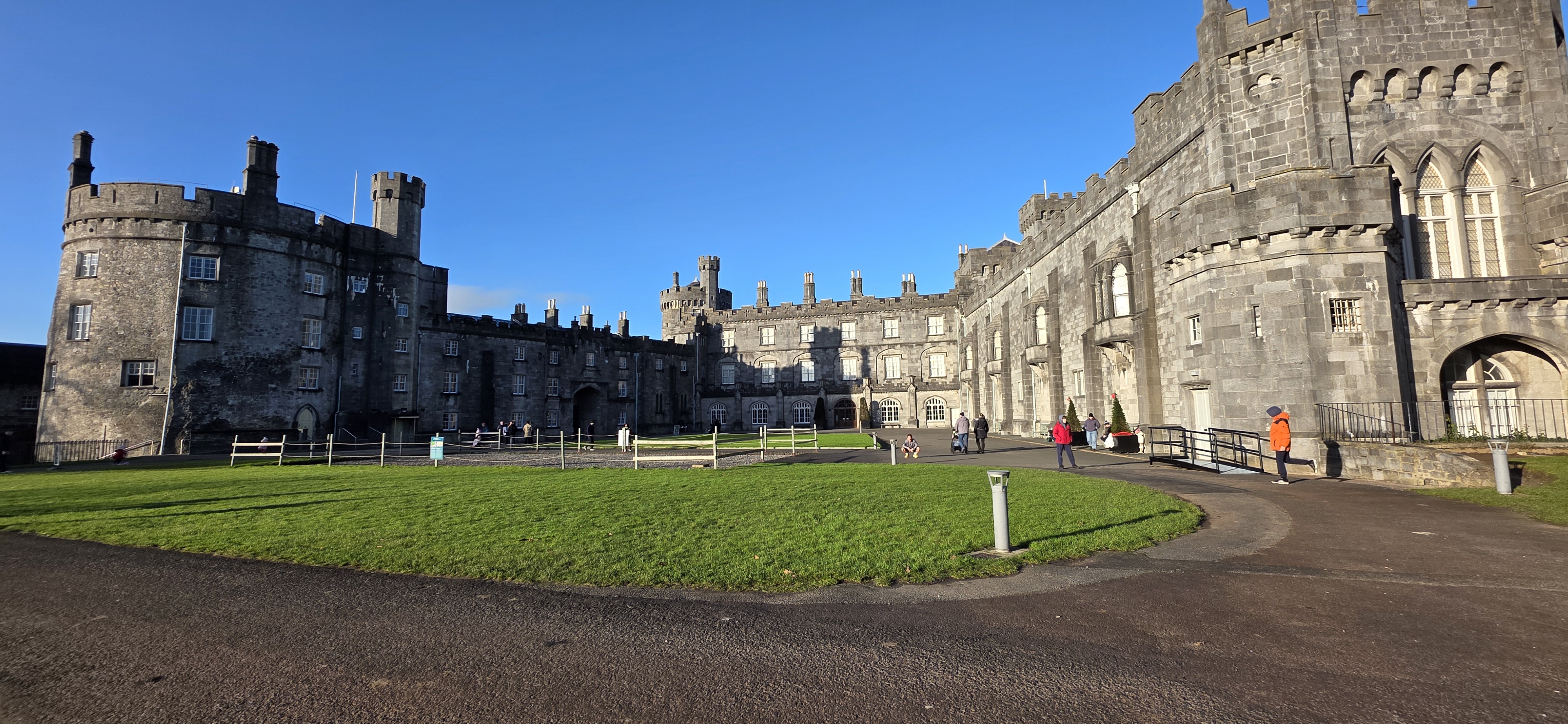
Kilkenny Castle, copyright of the Discovery Programme

Kilkenny, Leinster, Republic of Ireland: This project proposes the use of geophysical survey to locate and map the lost Flemingstown of Kilkenny Castle – a unique example of a purpose-built Flemish colonial suburb. While some of the outer ward has already been investigated, the one area missing has been around the site of the township’s tower. The geophysical survey will be carried out by The Discovery Programme and will take place in early to mid March, led by David Stone with the support of Susan Currant and Coilin O Drisceoil.

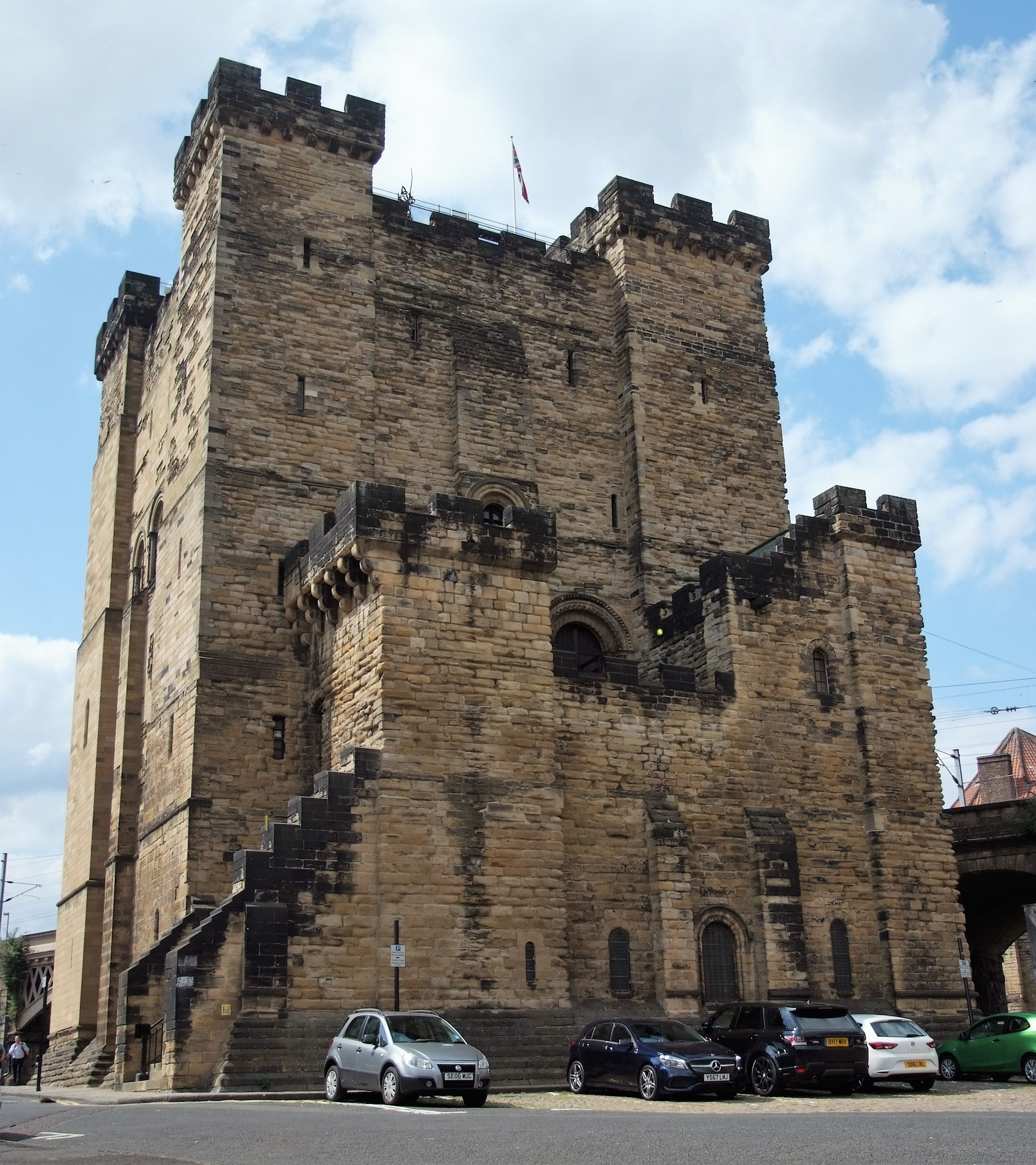
Newcastle Keep, copyright Peter Purton

Newcastle, Northumberland: To co-fund the publication of the report of the excavations of Newcastle Castle, one of the major royal castles in the North East of England, which took place over 20 years between 1974-95. The funds will be for synthesising all the different excavations, updating specialist reports and preparing relevant reports. We are only part funding £2,000 of the £8,000 asked for, as we lacked the means to fund any more. . The grant from the CST will allow him to commission the illustration work for the building interpretation and the excavation illustrations. The part funding has also spurred on other funders to cover the remaining part of the grant. The project will be led by Don O’Meara of the Society of Antiquaries of Newcastle with the support of John Nolan and Richard Pears.

Subscribe to our quarterly newsletter

Ruthin Castle great gatehouse, copyright Ruthin Castle Preservation Trust

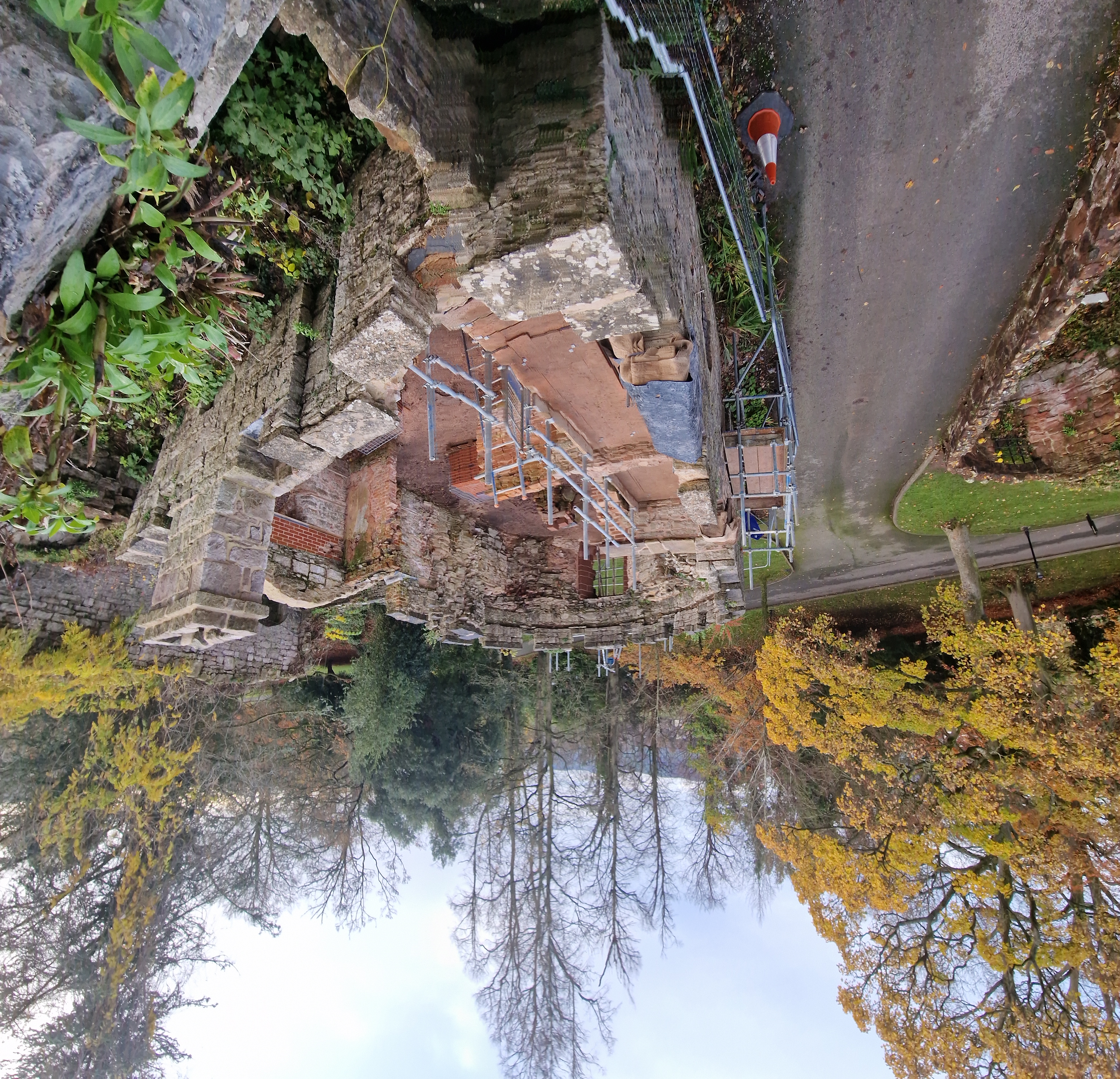
Ruthin, Denbighshire: Co-funding a structural survey and analysis of the great gatehouse of this formidable thirteenth century baronial castle that was a key part of Edward I’s strategy to secure the conquest of Wales. The project is led by Fiona Gale, chair of the Ruthin Castle Preservation Trust who will commission Mann Williams to do the survey with add context provided by Will Davies from Cadw.

Sudeley Castle outer courtyard, copyright Andy Moir

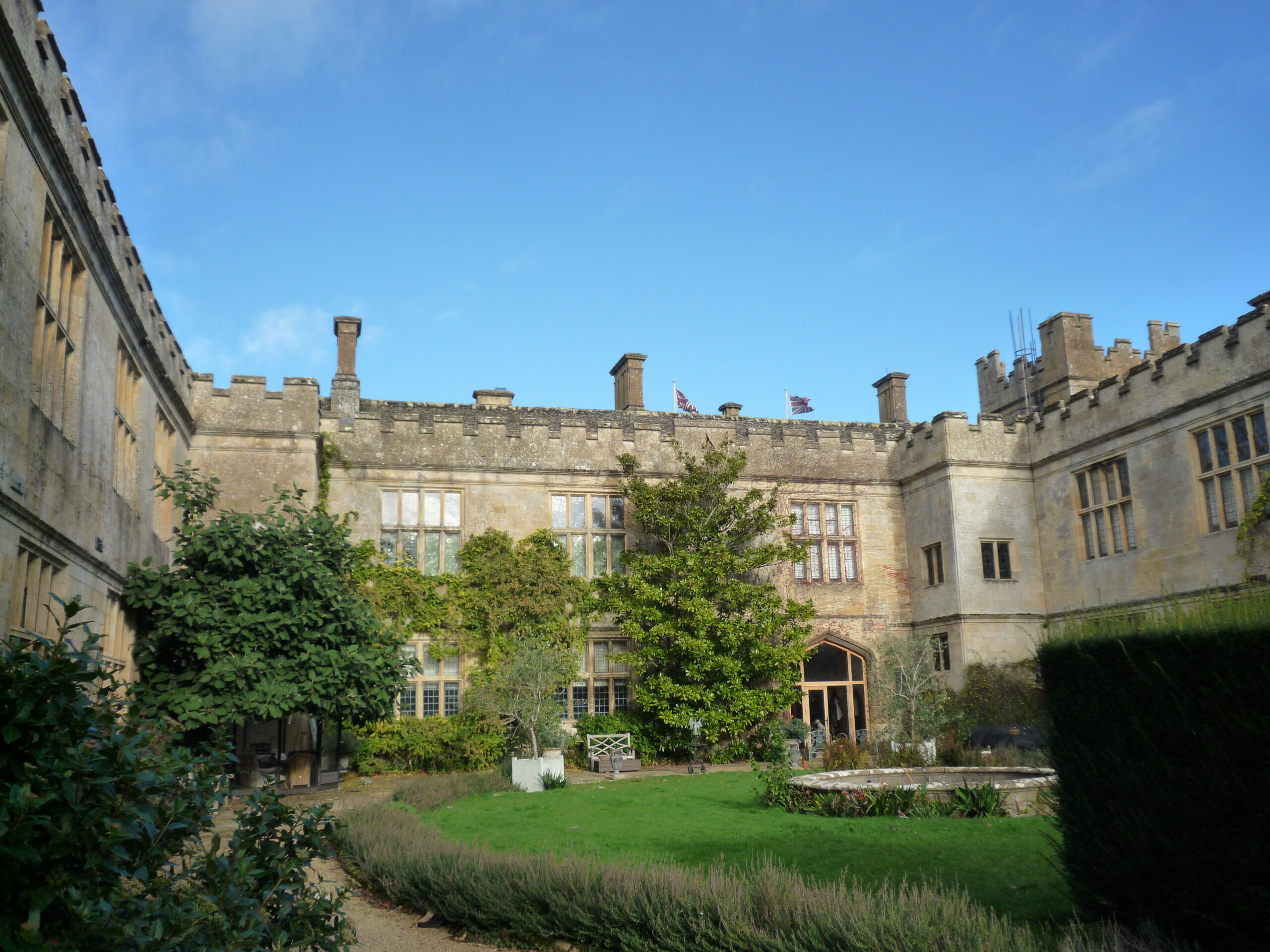
Sudeley Castle, Gloucestershire: Tree-ring dating and recording with 3D imaging the original roofs of Sudeley Castles Outer Courtyard Ranges. The castle site dates to the anarchy but the castle was rebuilt in the fifteenth century by Lord Sudeley. The sampling and photography will take place on 25 and 26 February. The project will be led by Andy Moir of the Gloucestershire Building Recording Group.

Subscribe to our quarterly newsletter